Protecting Your Garage in Clyde Hill, WA
Living in Clyde Hill, WA means frequent damp weather, wind-driven rain and seasonal temperature swings. For homeowners the right weatherproofing steps reduce drafts, prevent water intrusion and extend the life of the door and opener. This guide focuses on practical, local-first approaches to garage door repair and weatherproofing so you can protect your home all year.
Why weatherproofing matters for garage door repair
A garage door is more than a moving panel: it’s a barrier against moisture, pests and heat loss. When you schedule garage door repair, technicians often find issues that started because seals failed or insulation was missing. Addressing weatherproofing early prevents rot, motor strain and interior damage.
Common weather-related failures
- Worn bottom seal allowing water and pests in.
- Warped panels from repeated wet/dry cycles.
- Insufficient insulation causing heating loss and condensation.
- Opener corrosion or electronics affected by humidity.
Practical weatherproofing steps for homeowners
These are practical measures you can inspect or ask a pro to include during garage door repair visits.
1. Check and replace seals
Inspect the bottom sweep and side jamb seals for cracks, compression or gaps. A compressed rubber sweep that doesn’t spring back is a common culprit. Replacing seals is a low-cost weatherproofing fix that pays off quickly by keeping out water and cold.
2. Improve thresholds and drainage
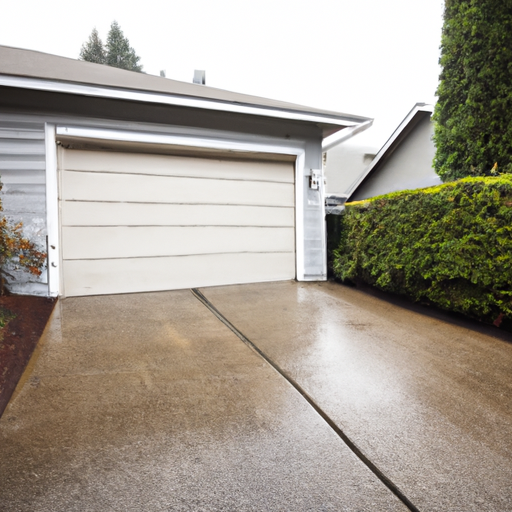
Ensure the concrete or threshold plate slopes away from the garage. Standing water at the base accelerates seal failure and causes damage to the lowest panel. If you have recurring puddles, add or regrade a shallow slope, or install a new aluminum threshold plate designed for garage doors.
3. Add insulation where it helps most
Insulation reduces condensation and helps stabilize temperatures inside the garage. Focus on the panel cavities and the door itself; an insulated door reduces compressor cycling for HVAC in attached garages. During a garage door repair appointment, ask whether the current panels are good candidates for retrofit insulation.
4. Protect the opener and hardware
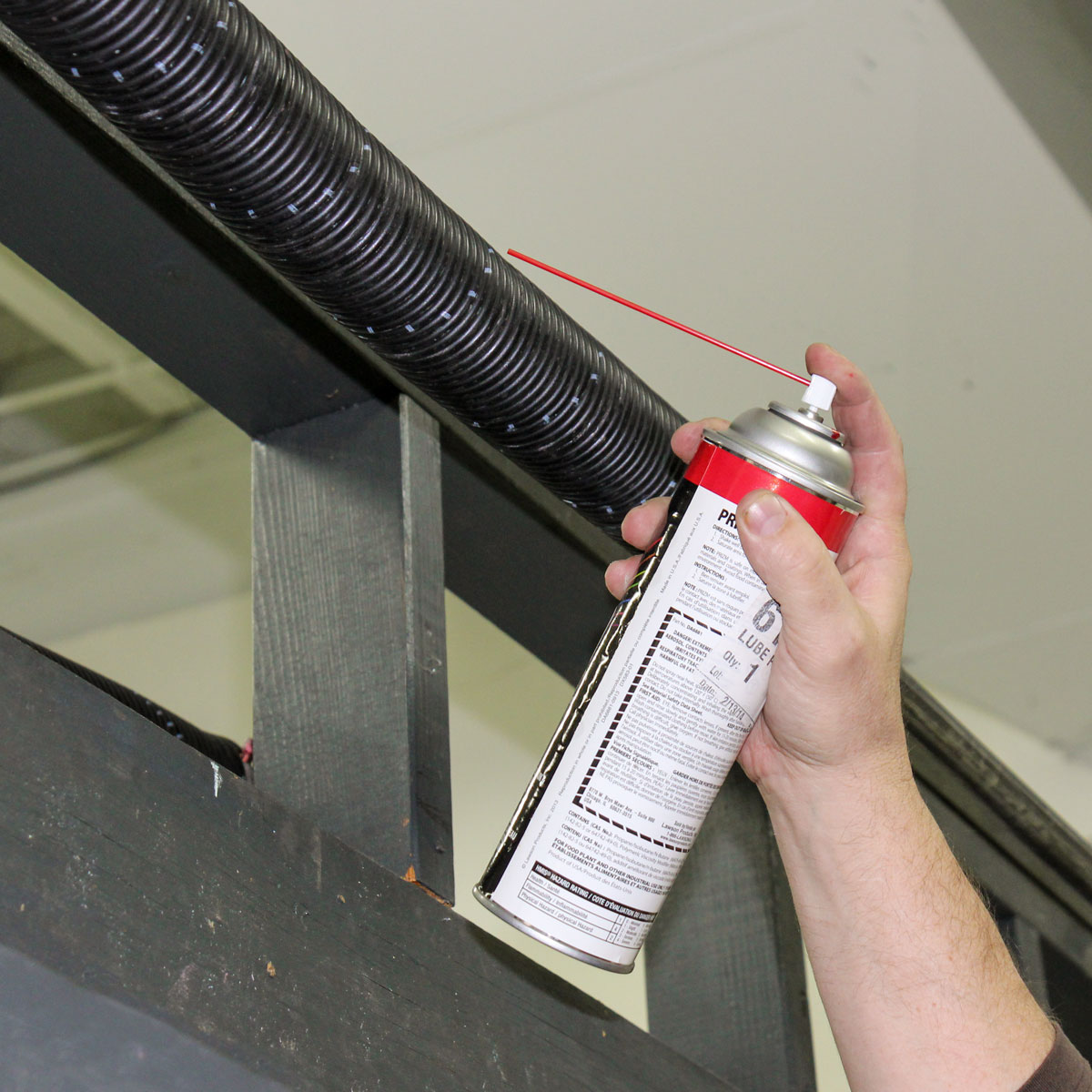
Electronic components can suffer from salt air, humidity and cold. Weatherproofing means ensuring the opener, sensors and keypad are mounted under cover and checking that wiring boots and conduit are intact. Lubricate moving parts with the right products—cold-weather lubricants maintain parts flexibility without attracting grime.
5. Seal gaps around frame and trim
Look for small gaps where moldings meet the frame. Use exterior-grade caulk or compressible foam where appropriate. Good framing seals cut drafts significantly and keep pests out, reducing the chance of needing more extensive garage door repair later.
Materials, costs and timelines
Understanding materials and realistic costs helps you prioritize fixes when managing a household budget.
Typical materials to expect
- EPDM rubber sweeps and vinyl jamb seals
- Aluminum threshold plates and polycarbonate weather strips
- Fiberglass or foam insulation kits for sectional doors
- Stainless or galvanized fasteners for coastal longevity
Ballpark pricing and timing
Local garage door repair teams in the Puget Sound area often quote familiar ranges: a seal replacement and basic threshold tune-up can be completed in an hour or two and typically runs low hundreds of dollars. Insulation retrofits, hardware upgrades or opener weatherproofing can range higher depending on door size and materials. For a precise estimate, request an on-site inspection to confirm measurements and condition.
When to DIY and when to call a pro
Homeowners can take care of visual checks, seal cleaning and minor caulking. But call a qualified garage door repair technician if:
- The door binds or slams when closing after you address seals.
- There is visible rust on springs, cables or rollers.
- Openers show erratic behavior after moisture exposure.
- You need a door insulation retrofit or threshold regrade.
Certified installers use balanced procedures to adjust spring tension and confirm safety sensors—tasks that are risky without proper tools and training. For scheduling a professional inspection or learning more about specific services we cover, visit our services page or browse homeowner tips on our blog.
Read detailed maintenance tips and seasonal checklists on our blog, or if you’re ready to schedule an inspection, reach out through our contact page. For a full list of offerings, see our services section.
Local considerations for Clyde Hill homeowners
Clyde Hill’s microclimate and elevation mean you can face wind-driven rain and cool winds from Lake Washington. That calls for stronger bottom seals and attention to side jambs. If your garage is attached to living space, prioritize insulation and vapor control to prevent moisture migration into the home.
Seasonal checklist
- Spring: Replace seals worn from winter freeze/thaw cycles and check thresholds for settling.
- Summer: Inspect rollers and lubricate bearings—less humidity makes this an easy tune-up window.
- Fall: Test the door balance and reverse mechanism before wet weather sets in.
- Winter: Keep drains clear and check that weatherstripping hasn’t become brittle from cold exposure.
Warranty, permits and what to ask your contractor
When hiring for garage door repair and weatherproofing, confirm warranty terms for parts and labor. Permits are rarely needed for seal replacement, but if your project includes structural changes or electrical updates to openers, check with the City of Clyde Hill or your contractor for permit requirements.
Questions to ask
- Do you offer a written warranty on seals, thresholds and labor?
- Will the service include a safety check of springs, cables and sensors?
- Do you use corrosion-resistant hardware suitable for local conditions?
- Can you provide an itemized estimate and timeline before work begins?
Closing: Protect your investment
Weatherproofing is a cost-effective component of any garage door repair plan in Clyde Hill, WA. Small fixes like a new sweep or a tightened threshold stop minor issues from becoming costly repairs. For a local inspection and tailored recommendations, contact a licensed technician and keep a seasonal maintenance schedule to preserve performance and comfort year-round.
Frequently Asked Questions
Q: How does Clyde Hill weather affect garage door seals?
A: Frequent wet-dry cycles and wind-driven rain in Clyde Hill accelerate rubber compression and cracking. Inspect seals twice a year; replace if gaps appear or if the sweep is permanently flattened.
Q: How long does a typical weatherproofing service take?
A: Simple seal replacement and a threshold check usually take 1–2 hours. Insulation retrofits or threshold regrading can take a half to full day depending on door size and site prep.
Q: What price range should I expect for weatherproofing in Clyde Hill?
A: Expect small repairs like new sweeps and caulking to run low hundreds. More extensive work—insulation kits, new thresholds, or opener protection—can range higher. Ask for an on-site estimate for accuracy.
Q: Will weatherproofing affect my door warranty?
A: Properly installed seals and approved insulation generally do not void warranties; however, modifying springs or panels incorrectly can. Use licensed professionals and request written confirmation about warranty implications.
Q: Do I need a permit for drainage or threshold work?
A: Minor threshold repairs rarely require permits. Structural changes or electrical upgrades for openers may. Confirm with the City of Clyde Hill or your contractor before starting the job.
Helpful local resources in Clyde Hill, WA
- Garage Door Repair Seattle
- Garage Door Repair Bellevue
- Garage Door Repair Redmond
- Garage Door Repair Kirkland
- Garage Door Repair Mercer Island
- Garage Door Repair Edmonds
- Garage Door Repair Issaquah
- Garage Door Repair Tacoma
- Garage Door Repair Everett
- Garage Door Repair Bothell
- Garage Door Repair Sammamish
- Garage Door Repair Renton
- Garage Door Repair Lynnwood
- Garage Door Repair Woodinville
- Garage Door Repair University Place
- Garage Door Repair Gig Harbor
- Garage Door Repair Lakewood
- Garage Door Repair Puyallup
- Garage Door Repair Mukilteo
- Garage Door Repair Vancouver
- Garage Door Repair Kenmore
- Garage Door Repair Burien
- Garage Door Repair Auburn
- Garage Door Repair South Hill
- Garage Door Repair Yarrow Point
- Garage Door Repair Clyde Hill
- Garage Door Repair Port Townsend
- Garage Door Repair Duvall
- Garage Door Repair Snoqualmie