Homeowners in Clyde Hill, WA know how seasonal weather swings can stress moving parts on a garage door. Proper seasonal maintenance reduces unexpected failures, improves safety, and stretches the life of your opener, springs and panels. This seasonal maintenance guide focuses on practical steps you can take around your home to reduce the need for emergency garage door repair.
Why seasonal care matters for garage door repair
Garage doors are large, heavy systems with many wear points. Moisture, cold snaps, and spring pollen all change how torsion springs, rollers, and tracks behave. Regular checks are a core part of good home improvement practice for any homeowner who values reliability. Addressing small issues early cuts down on costly garage door repair visits.
Basic seasonal checklist (quarterly)
Make this short checklist part of your seasonal routine. These simple tasks are safe for most homeowners and reduce strain on parts that often drive the need for professional garage door repair.
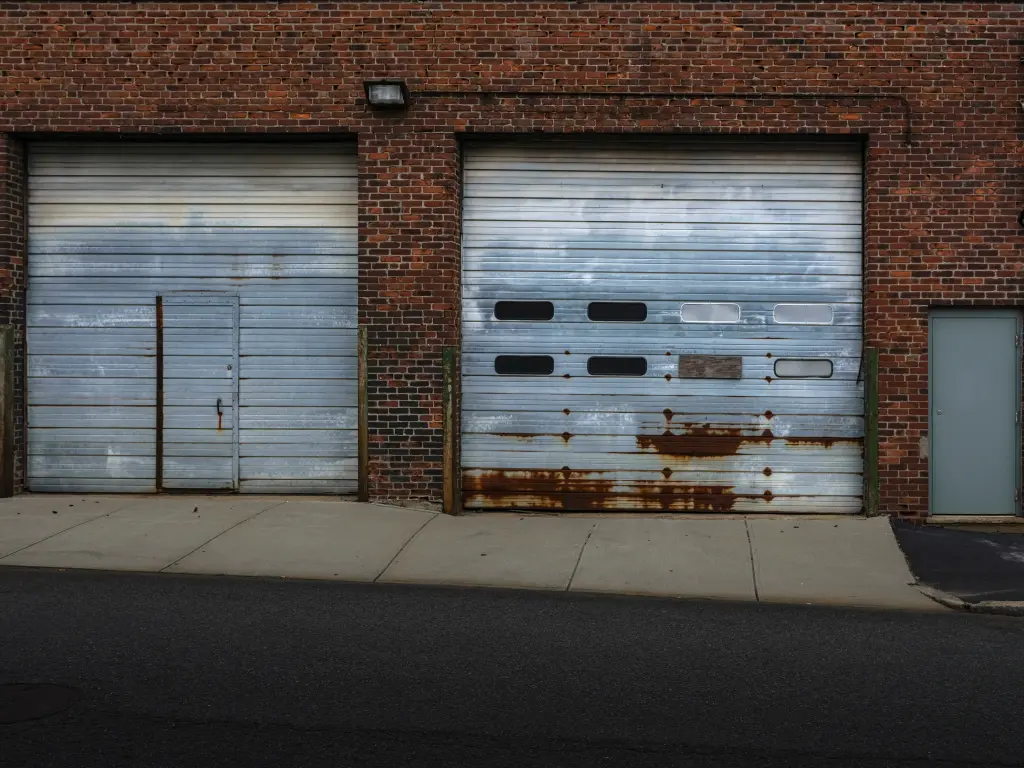
- Visual inspection: Look for dents, rust, loose hardware and worn weatherstripping.
- Sensor test: Verify photo-eye alignment and clean lenses with a soft cloth.
- Balance test: With the door closed, pull the emergency release and lift the door halfway. It should hold; if it drifts, springs may need adjustment by a pro.
- Noise check: Listen for grinding, squeaking or scraping—early signs of failing rollers or a dry opener rail.
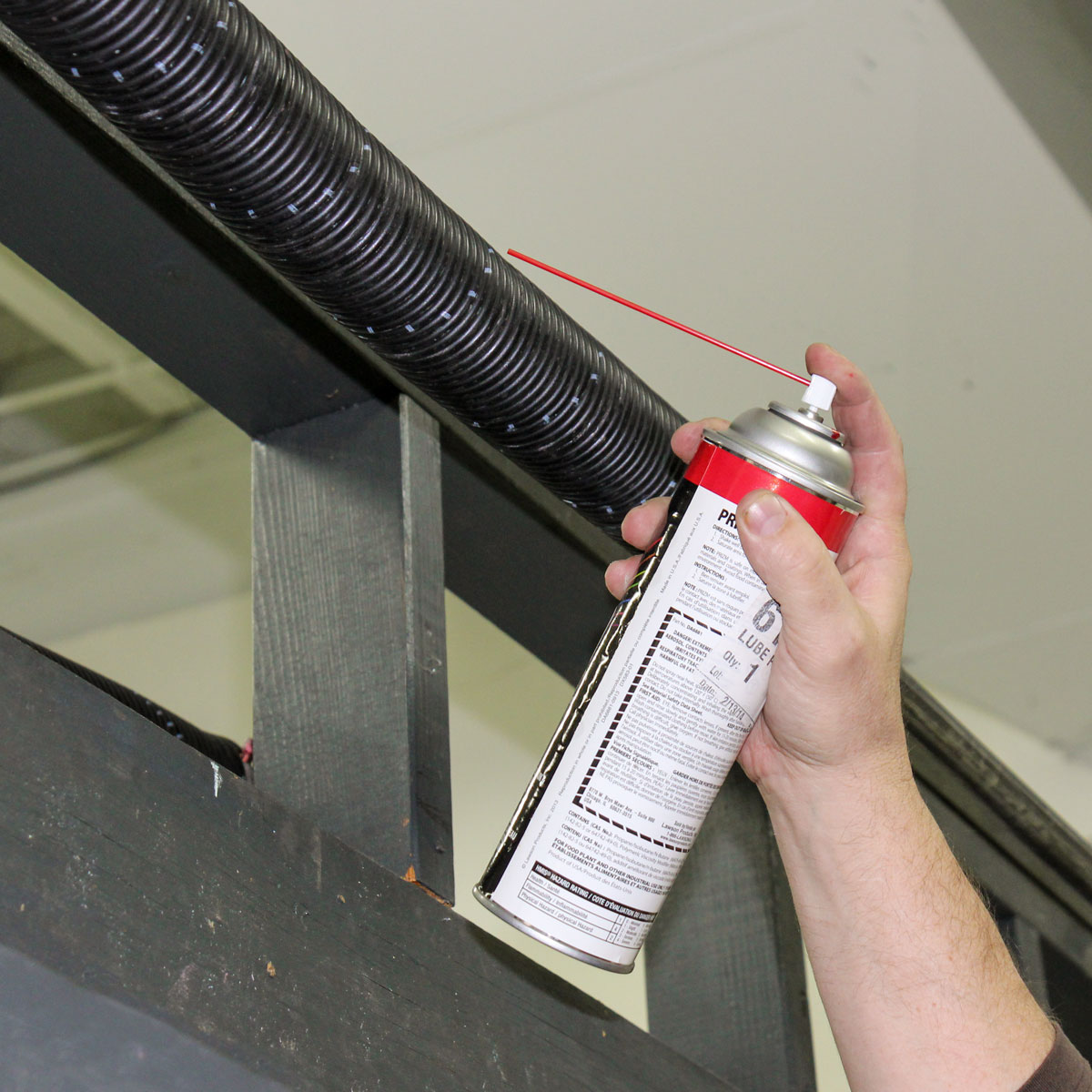
- Lubrication: Apply a silicone or lithium-based lubricant to rollers, hinges and the torsion shaft; avoid oil on nylon rollers.
- Seal inspection: Replace cracked bottom seals each season to keep moisture and drafts out.
Winter prep: protect moving parts from cold and moisture
In Clyde Hill winters, damp and chilly conditions are the biggest threats to garage doors. Cold can make seals brittle and slow motor performance; moisture promotes rust on springs and tracks.
Steps to take before the cold sets in
- Replace worn seals to block water and reduce heat loss from attached garages.
- Check and tighten fasteners; wooden frames can shrink, loosening bolts.
- Test the opener battery backup and remote batteries so you’re not stranded during storms.
- Schedule a professional safety inspection if you notice slow operation, loud bangs, or visible spring corrosion.
Spring and summer: handle pollen, rust, and humidity
Spring in WA can mean pollen, then rain, then humidity—each affects a garage door differently. Pollen builds up in tracks, increasing friction; warm weather reveals cracks in seals and weak springs.
Spring tasks
- Clean tracks and wipe down the door to remove salt, pollen and debris.
- Inspect rollers for flat spots and replace noisy or worn rollers to prevent binding.
- Repaint or touch up exposed metal to stop corrosion before it reaches moving parts.
When seasonal DIY is enough and when to call a pro
Homeowners can tackle visual inspections, cleaning, lubrication, and seal replacement. But certain signs should prompt a call for professional garage door repair:
- Broken torsion or extension springs—these store dangerous energy and require specialist tools and training.
- Off-track doors, bent or severely corroded hardware, or doors that won’t stay balanced.
- Openers that produce sparks, smell burning, or have intermittent electrical faults.
For a full scope of professional options—installation, opener upgrades, or comprehensive seasonal service—see our services page: https://garagedoors-clydehill.com/services.
Practical tips for longer door life
- Keep gutters and run-off away from the garage foundation to avoid prolonged wood and metal exposure to moisture.
- Replace batteries in remotes and keypad units every 1–2 years to avoid being locked out during storms.
- Keep a simple maintenance log: note lubrication dates, part replacements and technician visits—this helps when diagnosing seasonal wear.
Emergency preparedness and scheduling
If your door fails in bad weather, safety is the priority. Do not attempt spring repairs yourself. Secure the vehicle and property, and call a technician who can respond with the right parts and safety gear.
For non-emergency seasonal tune-ups and to book a professional inspection before winter or after spring storms, contact our local team: https://garagedoors-clydehill.com/contact. Regular service reduces total repair costs over time and ensures safe, reliable operation all year.
Local considerations for Clyde Hill homeowners
Properties in Clyde Hill range from hillside cottages to modern builds with integrated garages. Sloped driveways, salt exposure from nearby roads, and tree cover change maintenance priorities. If you have a driveway slope, check bottom seals more often. If trees overhang your garage, inspect panels for sap and organic buildup after windy seasons.
Additional resources
Want seasonal tips, how-to videos and local updates? Visit our blog for concise maintenance checklists and seasonal reminders: https://garagedoors-clydehill.com/blog.
Keeping up with seasonal maintenance is one of the most cost-effective home improvement moves a Clyde Hill homeowner can make. Addressing issues early avoids emergency garage door repair, improves safety, and keeps your home running smoothly through rain, wind and sun.
Frequently asked questions — Clyde Hill, WA
How often should I schedule seasonal maintenance for my garage door in Clyde Hill?
We recommend a quick homeowner check every 3 months and a professional inspection once a year, ideally before winter or after prolonged storms.
Does Puget Sound weather affect spring life and cables more than other regions?
Yes. High humidity and coastal air accelerate corrosion on springs and cables. Regular lubrication and seasonal inspections slow that process.
What are typical timelines and cost ranges for common repairs?
Minor repairs like roller or sensor replacement often take 1–2 hours and run low hundreds. Spring replacement or major opener repairs can take 2–4 hours and typically cost more depending on parts. Exact pricing varies—get a local estimate after a safety check.
Do I need a permit for garage door replacement in Clyde Hill?
Most like-for-like door replacements don’t require a permit, but structural changes or larger openings may. Check with the City of Clyde Hill if you plan to alter framing or door size.
Are there warranties or emergency services available locally?
Reputable local providers offer part and labor warranties on repairs and installation. Many also provide emergency service options for failed springs or off-track doors—ask about response times when you schedule.
Helpful local resources in Clyde Hill, WA
- Garage Door Repair Seattle
- Garage Door Repair Bellevue
- Garage Door Repair Redmond
- Garage Door Repair Kirkland
- Garage Door Repair Mercer Island
- Garage Door Repair Edmonds
- Garage Door Repair Issaquah
- Garage Door Repair Tacoma
- Garage Door Repair Everett
- Garage Door Repair Bothell
- Garage Door Repair Sammamish
- Garage Door Repair Renton
- Garage Door Repair Lynnwood
- Garage Door Repair Woodinville
- Garage Door Repair University Place
- Garage Door Repair Gig Harbor
- Garage Door Repair Lakewood
- Garage Door Repair Puyallup
- Garage Door Repair Mukilteo
- Garage Door Repair Vancouver
- Garage Door Repair Kenmore
- Garage Door Repair Burien
- Garage Door Repair Auburn
- Garage Door Repair South Hill
- Garage Door Repair Yarrow Point
- Garage Door Repair Clyde Hill
- Garage Door Repair Port Townsend
- Garage Door Repair Duvall
- Garage Door Repair Snoqualmie