Homeowners in Clyde Hill, WA need season-specific advice to keep their garage doors working smoothly. This guide focuses on practical steps for garage door installation care, seasonal checks, and when a professional inspection makes sense.
Why seasonal care matters after garage door installation
Whether you recently finished a garage door installation or are maintaining an older system, seasonal maintenance prevents small problems from becoming safety hazards. Regular checks extend the life of hardware, protect insulation, and preserve weather seals. For many Clyde Hill homes, moisture and temperature swings are the main culprits behind premature wear.
Spring and summer checklist
Spring and summer are the best times for hands-on maintenance after a garage door installation. Warmer weather lets you spot rust, test balance, and address roller or track wear without freezing conditions.
Quick visual and safety checks
- Inspect top-to-bottom: look for loose fasteners, worn weather stripping, and dents that affect operation.
- Test auto-reverse: hold a 2×4 in the door path and confirm the door reverses on contact.
- Check tracks and rollers: remove debris, and listen for grinding or crunching sounds when cycling the door.
Lubrication and hardware
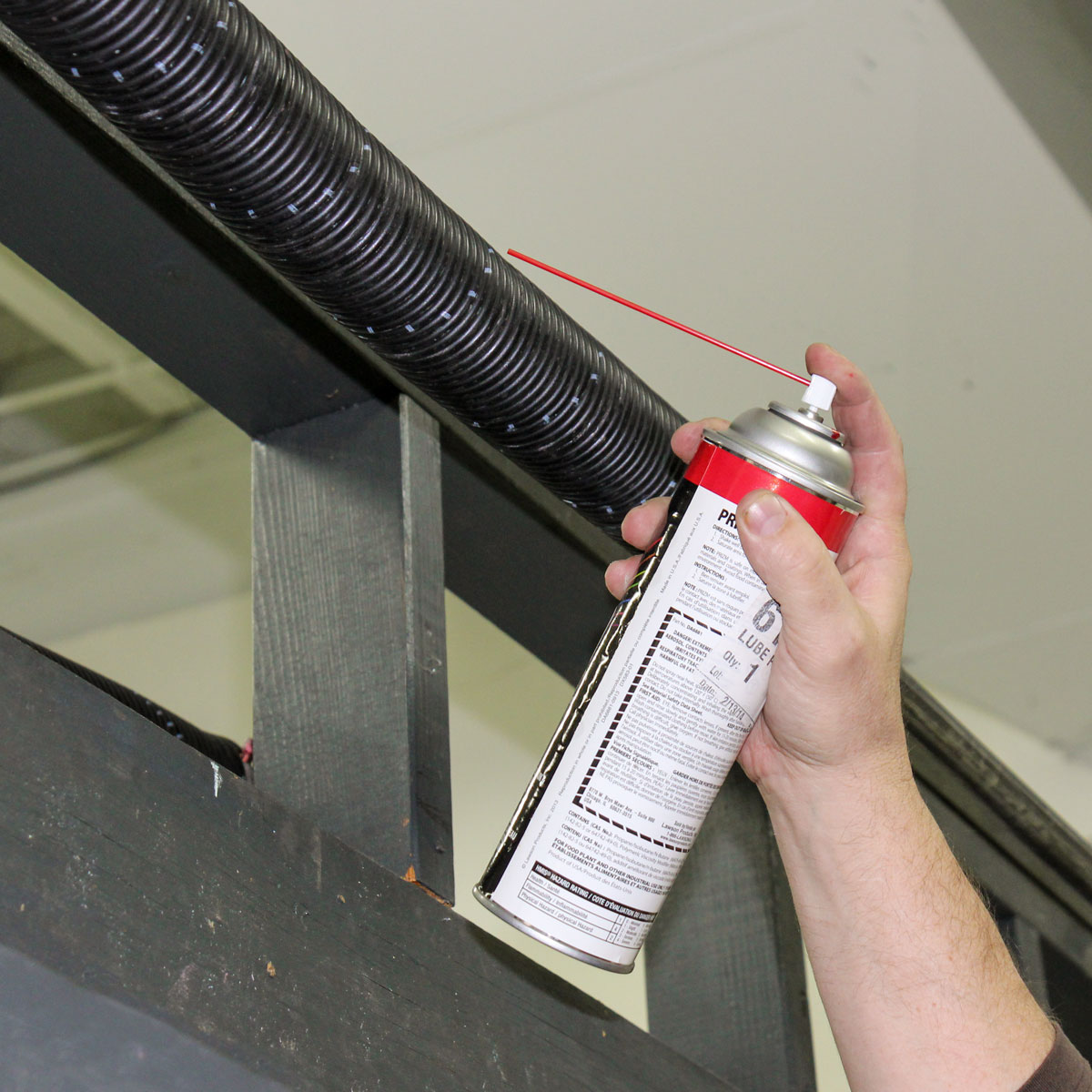
Lubricate bearings, hinges, and rollers with a silicone or lithium grease approved for garage doors. Avoid over-greasing the tracks; a light wipe and a drop on moving parts is sufficient. Tighten bolts and nuts after several cycles; springs should never be adjusted without professional help.
Fall and winter preparedness
Fall and winter demand different attention after a garage door installation. Cold and wet conditions in WA can freeze seals, corrode metal, and strain openers that are older or improperly balanced.
Weatherproofing and seal care
- Replace cracked bottom seals to keep out water and wind-driven rain common in Clyde Hill.
- Apply a rubber protectant to seals to prevent stiffening in cold months.
- Consider insulating the door if you use the garage as a workshop or mechanical room; insulation reduces condensation that can harm electronics in the opener.
Electrical checks and remote batteries
Battery performance drops in cold weather. Replace remote and keypad batteries before winter storms and verify backup battery systems on smart openers. If your opener struggles after a fresh garage door installation, the issue may be balance or a mismatched opener capacity.
Common seasonal problems and fixes
Many issues that follow a garage door installation show clear seasonal patterns. Address these early to avoid emergency repairs.
Noise and misalignment
Noise usually points to loose hardware or dry parts. Clean and lubricate rollers, and inspect track alignment. If noise persists after a basic tune-up, schedule a professional inspection to check spring tension and opener alignment.
Slow operation and inconsistent travel
If the door moves slowly or stops mid-cycle, test the balance by disconnecting the opener and manually moving the door halfway. A properly balanced door stays in place. Unbalanced doors stress the opener and are a common post-installation issue that professionals correct quickly.
Corrosion and finish wear
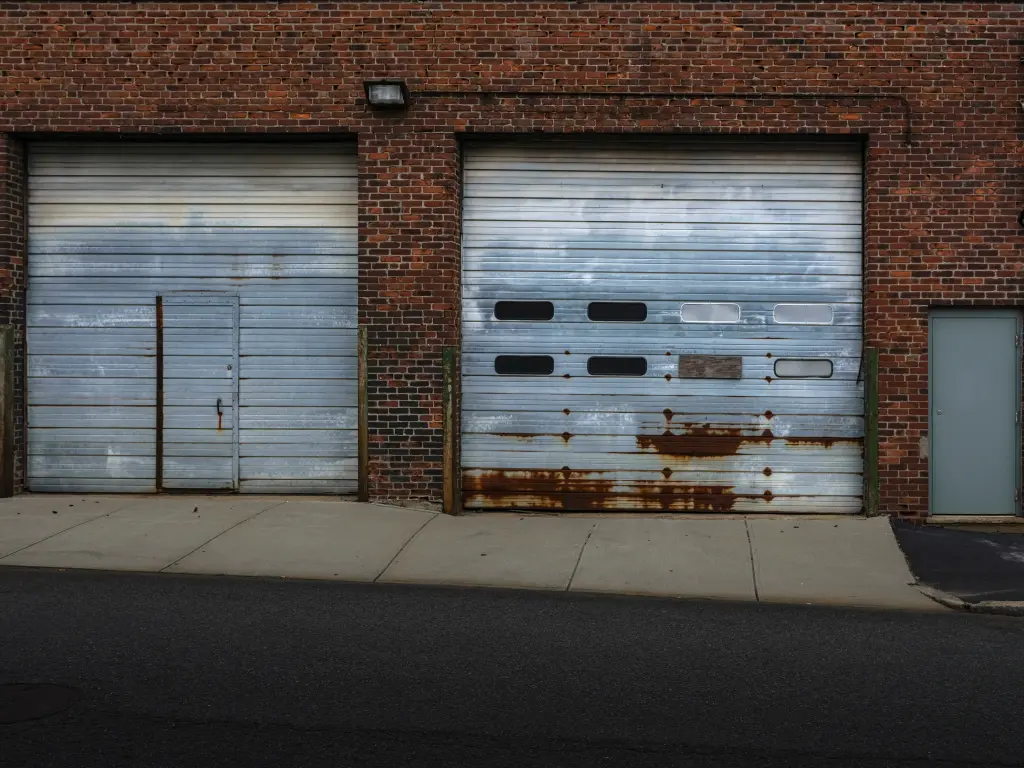
Salt air and coastal storms can accelerate corrosion on steel doors and hardware. Regularly inspect painted and metal surfaces. Refinish chips and touch exposed metal to prevent rust spread. Wood doors need annual sealing to block moisture.
When to call a professional
DIY checks are important, but certain signs mean it’s time to call an experienced technician. If you notice broken springs, frayed cables, a jerking opener, or a door that won’t stay open, arrange service promptly. Qualified pros handle spring adjustments, opener replacements, and rebalancing safely.
For local resources and seasonal articles, check our blog. For prompt service in Clyde Hill, use our contact page to request an inspection. To learn about the residential services we offer after a garage door installation, view our services list.
Planning and budgeting for seasonal work
Budget for an annual tune-up after garage door installation. A typical seasonal maintenance visit in the Puget Sound region often covers inspection, lubrication, balance testing, and minor adjustments. Expect a range depending on door size, materials, and whether new parts or weather seals are required.
Warranty and replacement parts
Keep installation paperwork and parts invoices. Many manufacturers offer limited warranties on springs, rollers, and openers. Documenting maintenance after a garage door installation can help with warranty claims.
Final checklist for Clyde Hill homeowners
- Monthly: visual check for damage, test safety sensors and auto-reverse.
- Seasonally: clean tracks, lubricate, check seals, and replace remote batteries.
- Annually: professional tune-up for springs, cables, and opener diagnostics.
Following these seasonal steps will protect your investment and keep your door operating safely year-round. Whether you’re planning a new garage door installation or maintaining an existing system, routine care reduces emergency repairs and improves longevity.
Frequently Asked Questions
A: Rain and seasonal temperature swings can warp seals and accelerate corrosion. After a garage door installation in Clyde Hill, plan for seal checks each fall and a rust inspection in spring.
A: Schedule a professional inspection 6–12 months after a garage door installation to confirm spring balance and opener settings. Annual tune-ups are recommended after that.
A: Basic seasonal maintenance typically ranges from a modest service fee for inspection and lubrication to higher costs if you need parts like weather seals or rollers replaced. A full tune-up with minor parts often fits most homeowner budgets.
A: Most garage door replacements do not require a permit, but structural changes, new headers, or electrical work for a new opener may. Check with the City of Clyde Hill building department for permit specifics.
A: Warranties vary by manufacturer and installer. Expect limited warranties on springs and openers and manufacturer coverage on door panels. Keep installation and service records to support claims.
Helpful local resources in Clyde Hill, WA
- Garage Door Repair Seattle
- Garage Door Repair Bellevue
- Garage Door Repair Redmond
- Garage Door Repair Kirkland
- Garage Door Repair Mercer Island
- Garage Door Repair Edmonds
- Garage Door Repair Issaquah
- Garage Door Repair Tacoma
- Garage Door Repair Everett
- Garage Door Repair Bothell
- Garage Door Repair Sammamish
- Garage Door Repair Renton
- Garage Door Repair Lynnwood
- Garage Door Repair Woodinville
- Garage Door Repair University Place
- Garage Door Repair Gig Harbor
- Garage Door Repair Lakewood
- Garage Door Repair Puyallup
- Garage Door Repair Mukilteo
- Garage Door Repair Vancouver
- Garage Door Repair Kenmore
- Garage Door Repair Burien
- Garage Door Repair Auburn
- Garage Door Repair South Hill
- Garage Door Repair Yarrow Point
- Garage Door Repair Clyde Hill
- Garage Door Repair Port Townsend
- Garage Door Repair Duvall
- Garage Door Repair Snoqualmie