Homeowners in Clyde Hill, WA need reliable, straightforward guidance on garage door repair. A well-maintained garage door protects vehicles, storage, and the overall curb appeal of your home. This guide gives clear steps homeowners can take, when to call a pro, and what to expect from a residential service in our rainy Puget Sound climate.
Quick inspection: what to check first
Start with a simple visual and functional check. Many urgent problems are obvious: the door hangs unevenly, makes grinding noises, or won’t respond to the opener. Use these quick checks to decide if a DIY fix is safe or if you need professional garage door repair.
- Visual: look for broken springs, bent tracks, frayed cables, or loose hardware.
- Functional: test manual operation with the opener disconnected — the door should move smoothly and stay in place.
- Safety: press the reverse mechanism under the door to ensure it reverses on contact; test photo-eye sensors for alignment.
- Noise: note any grinding or jerking — these often point to worn rollers or parts needing service.
If you spot broken springs or snapped cables, stop and call a professional. These components store a lot of energy and present a real hazard for DIY attempts.
DIY fixes homeowners can handle safely
There are useful home improvement tasks you can do to extend the life of your garage doors and reduce emergency repair costs. These do not replace professional garage door repair but help prevent problems.
Lubrication and tightening
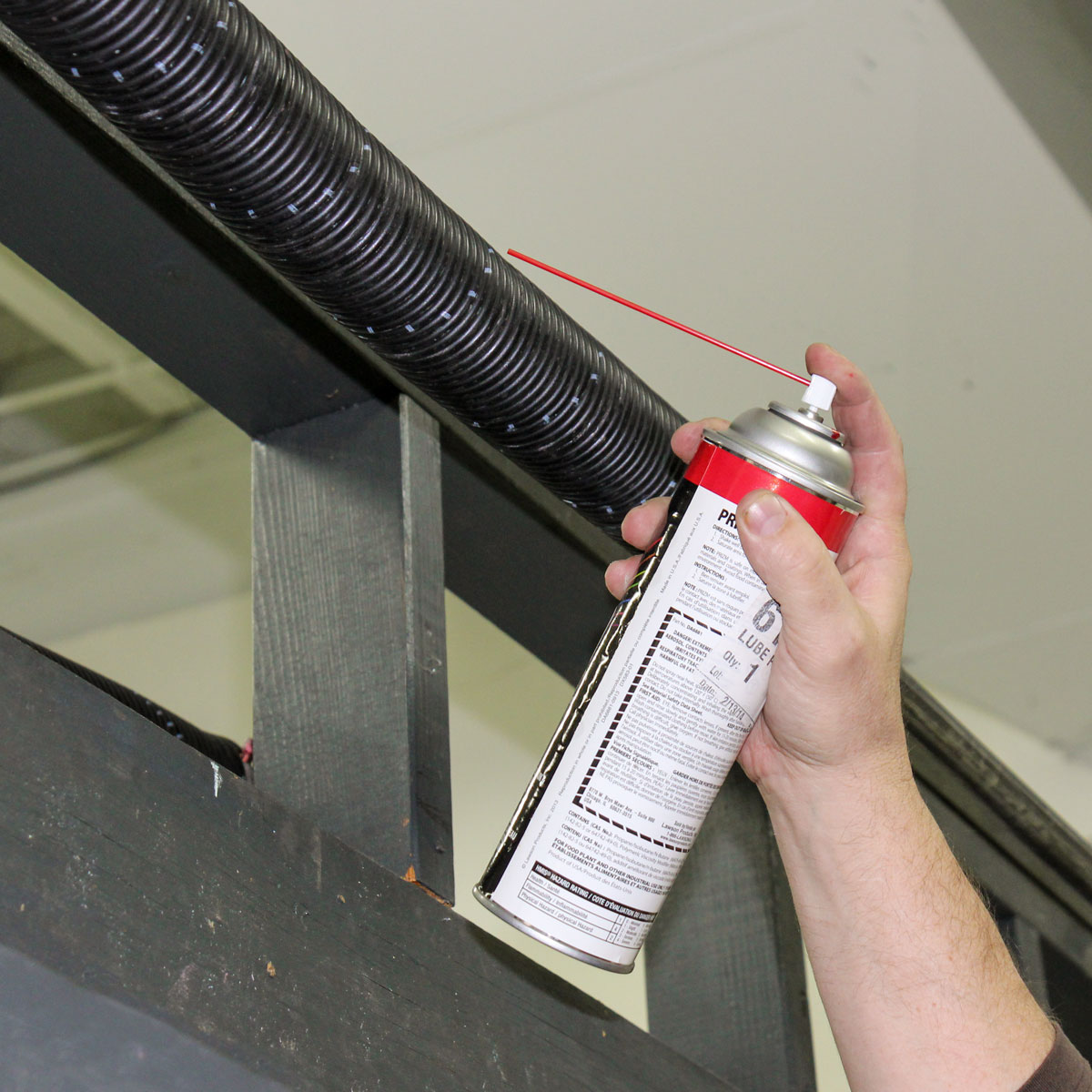
Lubricate rollers, hinges, and springs with a silicone-based lubricant. Avoid WD-40 as a long-term lubricant for springs. Tighten loose bolts and brackets with a socket set. These actions reduce noise and postpone larger repairs.
Sensor and opener checks
Clean and align photo-eye sensors. Replace opener batteries and test remote range. If the opener struggles to lift a balanced door, that’s a sign to schedule a residential service inspection — the problem could be worn springs or a failing motor.
When to call a professional garage door repair technician
Call professionals in Clyde Hill when you encounter:
- Snapped or significantly stretched springs.
- Frayed cables or cables off the drum.
- Bent or jammed tracks that prevent smooth operation.
- Opener electrical faults or a motor that hums but won’t turn.
- Doors that are off-balance or suddenly much harder to lift.
Professional garage door repair technicians have the tools and training to replace high-tension parts safely. Expect trained techs to test balance, inspect springs and cables, measure opener torque, and confirm safe operation after repairs.
For local tips, read homeowner stories and maintenance checklists on our blog.
Choosing a local service and understanding costs
Choosing the right residential service can save time and money. Look for licensed technicians, clear written estimates, and a visible warranty. In Clyde Hill and nearby neighborhoods, a typical service call for diagnosis runs lower than a full spring replacement — get clarity on labor rates before work begins.
Typical timelines and price ranges
Timelines depend on parts and the nature of the repair. Common expectations:
- Service call and diagnostic: same-day to 48 hours in many cases.
- Minor repairs (rollers, sensors, tracks): 1–3 hours.
- Spring replacement or opener swap: 1–2 technicians, a few hours to complete.
Price ranges vary; a basic tune-up or sensor alignment might be a modest fee, while full spring replacement can cost more due to parts and safety precautions. Ask for a written estimate that breaks down parts, labor, and warranty.
Ready to schedule a local inspection? Use our easy online contact form to request a visit from a certified technician: Contact us.
Weather, maintenance schedule, and long-term value
Our Northwest weather affects garage doors. Salt air, heavy rain, and temperature swings accelerate wear on rollers, hinges, and finish. A simple seasonal checklist prevents many urgent calls:
- Spring and fall: clean and lubricate moving parts; inspect weatherstripping for gaps.
- Winter: check heater vents and seals to prevent drafts; ensure opener batteries are fresh.
- Annual: book a professional safety inspection for springs, cables, and balance tests.
Routine maintenance is one of the best home improvement investments because it reduces the risk of costly emergency garage door repair and extends the life of your door system.
We also provide comprehensive residential service packages that include preventive maintenance and priority scheduling — learn more about our offerings on the services page.
Safety and warranty: questions to ask
Before any repair, ask these specific questions:
- Is the technician licensed and insured? Request proof and license numbers.
- What warranty covers parts and labor? Get warranty terms in writing.
- Will the work include a balance and safety test when finished?
- Do you use OEM parts, and what are the expected lifespans of replaced components?
A reputable company will explain the repair, show worn parts, and leave documentation. That transparency protects homeowners and helps with future maintenance decisions.
Final checklist for Clyde Hill homeowners
- Keep a clear path around the garage door to prevent sensor obstruction.
- Note changes in noise or speed and schedule service early — small issues often indicate larger wear.
- Document service dates and repairs for future resale value and warranty support.
When you need a local expert for garage door repair in Clyde Hill, WA, choose a company that offers clear pricing, written warranties, and trained technicians. For urgent issues or to book a residential service visit, call our office or use the contact page linked above.
Frequently Asked Questions — Clyde Hill, WA
Q: How does our rainy climate affect garage door components?
A: Rain and humidity accelerate rust on rollers, hinges, and springs. Wipe exposed metal, apply a silicone lubricant twice a year, and schedule an annual safety inspection to catch corrosion before it leads to failure.
Q: How soon can a technician in Clyde Hill respond to an emergency?
A: For urgent failures (snapped spring, door off track), local technicians often offer same-day response or next-business-day service depending on call volume. Call early and describe the problem to get accurate scheduling.
Q: What is a typical price range for spring replacement in this area?
A: Prices vary with spring type and door size. Expect a higher cost for torsion spring replacement than for simple hardware repair. Always request a written estimate that lists parts, labor, and warranty.
Q: Do I need a permit for garage door replacement in Clyde Hill?
A: Most like-for-like garage door replacements don’t require a permit, but structural changes or new openings often do. Confirm with the City of Clyde Hill or ask your service provider to verify permit needs.
Q: Are warranties honored locally?
A: Check warranty paperwork for local service stipulations. Reputable installers offer labor warranties and will assist with manufacturer parts warranties; keep all receipts and service notes.
Helpful local resources in Clyde Hill, WA
- Garage Door Repair Seattle
- Garage Door Repair Bellevue
- Garage Door Repair Redmond
- Garage Door Repair Kirkland
- Garage Door Repair Mercer Island
- Garage Door Repair Edmonds
- Garage Door Repair Issaquah
- Garage Door Repair Tacoma
- Garage Door Repair Everett
- Garage Door Repair Bothell
- Garage Door Repair Sammamish
- Garage Door Repair Renton
- Garage Door Repair Lynnwood
- Garage Door Repair Woodinville
- Garage Door Repair University Place
- Garage Door Repair Gig Harbor
- Garage Door Repair Lakewood
- Garage Door Repair Puyallup
- Garage Door Repair Mukilteo
- Garage Door Repair Vancouver
- Garage Door Repair Kenmore
- Garage Door Repair Burien
- Garage Door Repair Auburn
- Garage Door Repair South Hill
- Garage Door Repair Yarrow Point
- Garage Door Repair Clyde Hill
- Garage Door Repair Port Townsend
- Garage Door Repair Duvall
- Garage Door Repair Snoqualmie