Homeowners in Clyde Hill, WA face common choices when a spring snaps or an opener fails: attempt a DIY fix or call a pro. This guide focuses on practical, local advice about garage door repair so you can decide fast and safely.
When DIY Makes Sense
Some repairs are straightforward and safe for a homeowner with moderate tools and patience. Small tasks that are often appropriate for DIY include:
- Lubricating tracks, rollers, and hinges to stop squeaks.
- Replacing weatherstripping and bottom seals damaged by rain or winter debris.
- Tightening loose hardware and resetting sensors if the door won’t close.
- Adjusting opener force settings or reprogramming remotes.
These tasks address common garage doors wear and are good first steps before escalating to a full repair. If you do attempt a DIY approach, unplug the opener, use proper gloves and eye protection, and keep the door stopped in open or closed positions with clamps—never rely on the opener while working on springs or cables.
When to Call a Professional
Professional help is recommended for anything involving springs, cables, tracks bent out of alignment, or complex opener electronics. A trained technician reduces risk and usually gets the job done faster and with a warranty.
High-risk repairs
- Torsion or extension spring replacement: these store dangerous energy and require specialized tools.
- Cable repairs and bracket realignment: cables can snap under tension and cause injury or door collapse.
- Section replacement on heavy or insulated doors that affect balance.
- Opener motor failure with internal gear damage—replacement and calibration are best done by pros.
For these jobs, professional garage door repair is safer and often more economical once you factor in tool purchases, potential mistakes, and the time to correct them.
Cost, Timing, and Local Considerations for Clyde Hill, WA
In Clyde Hill’s climate, salt air and wet winters accelerate corrosion on rollers and tracks. That affects both simple maintenance and the life expectancy of springs. Expect seasonal demand spikes in spring and fall when homeowners notice problems.
Typical timelines
- Minor repairs and tune-ups: same-day to 48 hours.
- Spring or cable replacement: often scheduled within 24–72 hours due to safety priority.
- Full door replacement or custom panels: 1–3 weeks depending on parts and finish.
Pricing ranges (ballpark)
- Maintenance visit (lubrication, tighten, sensor check): modest flat fee.
- Spring replacement: moderate—reflects specialized parts and labor.
- Opener replacement: higher, varies by horsepower and smart features.
For an exact estimate and local availability, see our services and schedule a professionally quoted inspection.
DIY vs Professional: A Practical Decision Checklist
Use this local checklist to decide quickly:
- Is the repair clearly cosmetic (paint, small dent, seal)? DIY is reasonable.
- Does the issue involve springs, cables, or door balance? Call professional garage door repair.
- Do you have the right tools and safety gear? If not, consider a pro to avoid injury and damage.
- Are parts readily available for your model? Pros may source parts faster in the Clyde Hill area.
- Is the door under warranty? A pro can preserve coverage and provide documented service.
When in doubt, a short inspection by a technician can clarify the scope. Read local repair stories and guides on our blog to spot issues early and reduce repair costs.
How Professionals Work and What to Expect
Licensed technicians follow a typical process for garage door repair: inspection, diagnosis, transparent estimate, scheduled repair, and a post-repair safety check. Expect professionals to test balance, tuning, sensor alignment, and to document parts replaced.
Warranties and protections
Reputable residential service providers in WA commonly offer parts and labor warranties. Keep invoices and ask about warranty length before work begins. Professionals also carry insurance, which protects homeowners from accidental damage during service.
Permits and regulations
Most minor repairs don’t require permits in Clyde Hill, WA. Major structural changes or electrical work for a new opener may need permits or licensed electricians. A professional can advise whether a permit is required and help arrange it if needed.
Maintenance Tips to Reduce Future Repairs
Regular maintenance reduces the frequency of major garage door repair. Quick tasks to perform every 6 months:
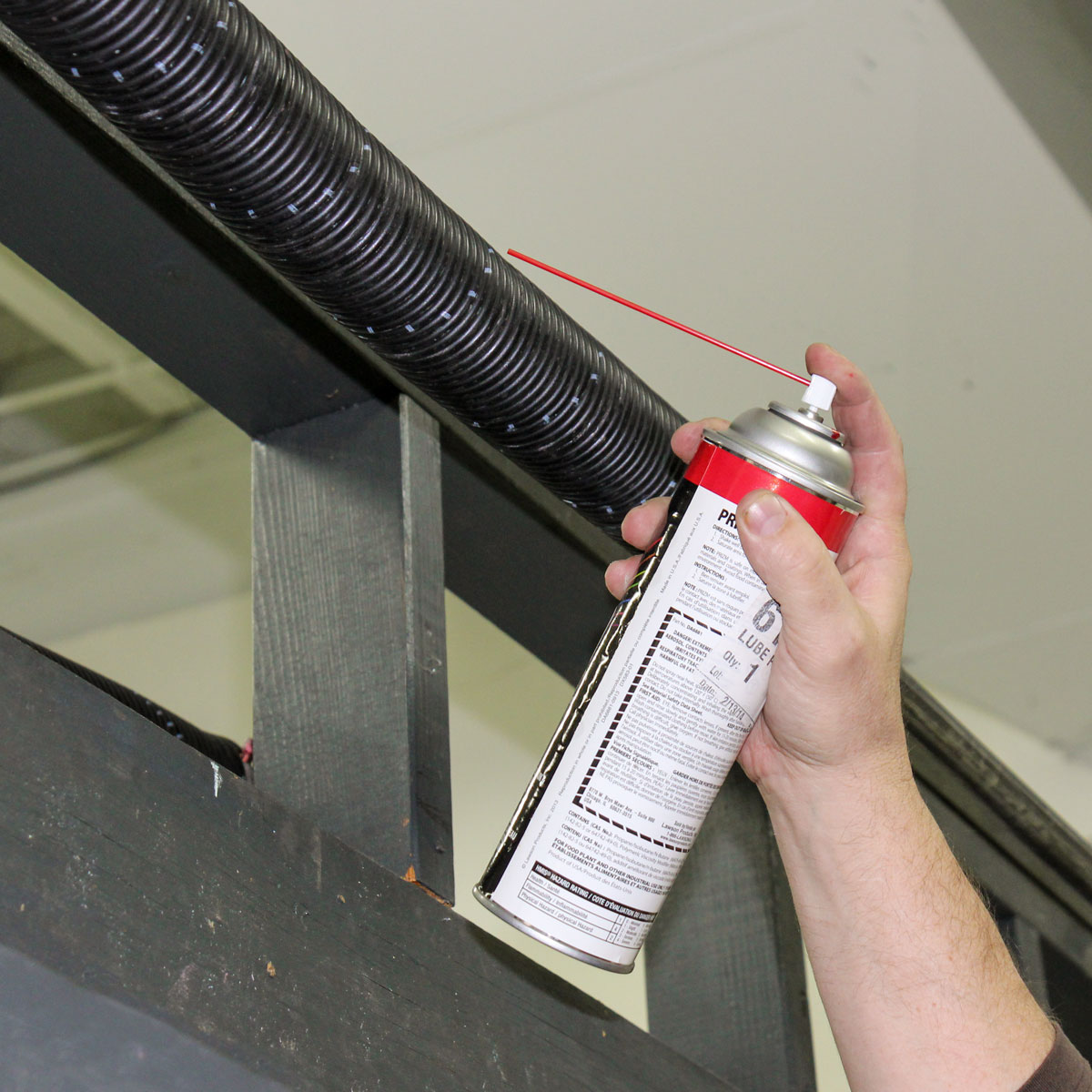
- Lubricate rollers, hinges, and springs with a non-silicone garage door lubricant.
- Clean and inspect tracks for debris and corrosion; wipe and dry after winter storms.
- Test auto-reverse sensors: place a block in the door’s path and close to ensure it reverses.
- Check balance: disconnect opener and move door halfway—if it drifts, schedule professional tuning.
These steps extend the life of garage doors and reduce emergency repair calls in wet months.
Making the Call: How to Choose a Local Technician
When you need pro-level garage door repair, prioritize local reviews, clear estimates, and warranty terms. Ask about emergency availability, parts sourcing, and technician certifications. For a fast, local response in Clyde Hill, use our contact page to request an inspection or schedule a repair.
Whether you take the DIY route for minor upkeep or hire a professional for complex repairs, understanding the risks, costs, and timing helps you protect your home investment. This garage door repair WA DIY vs professional help guide is designed to give Clyde Hill homeowners the clear, local advice needed to decide confidently.
Frequently Asked Questions
Q: How does Clyde Hill weather affect spring life and how often should they be inspected?
A: Pacific Northwest moisture accelerates corrosion. Inspect springs, cables, and rollers every 6–12 months and after heavy storms; replace springs at first sign of rust or wear to avoid sudden failure.
Q: If a spring breaks, how soon should I expect a technician in Clyde Hill?
A: A broken spring is a safety priority. Local technicians typically schedule same-day or next-day service; call an emergency garage door repair provider to secure the door and prevent further damage.
Q: What price range should Clyde Hill homeowners expect for common repairs?
A: Minor repairs and tune-ups are low to moderate cost. Spring replacement, opener swaps, or major panel repairs are higher. Ask for an itemized estimate and warranty before work begins.
Q: Do garage door repairs require permits in Clyde Hill, WA?
A: Most routine repairs do not require permits. Structural changes, new electrical work, or major replacements may need permits—your technician should advise and help arrange them if necessary.
Q: Are there warranty protections I should look for in a residential service?
A: Yes. Verify parts and labor warranty lengths, and ensure the provider has liability insurance. Proper documentation helps if a part fails shortly after repair.
Q: Can I get emergency service at night or on weekends in Clyde Hill?
A: Many local residential service companies offer after-hours emergency garage door repair. Confirm emergency rates and arrival windows when you call.
Helpful local resources in Clyde Hill, WA
- Garage Door Repair Seattle
- Garage Door Repair Bellevue
- Garage Door Repair Redmond
- Garage Door Repair Kirkland
- Garage Door Repair Mercer Island
- Garage Door Repair Edmonds
- Garage Door Repair Issaquah
- Garage Door Repair Tacoma
- Garage Door Repair Everett
- Garage Door Repair Bothell
- Garage Door Repair Sammamish
- Garage Door Repair Renton
- Garage Door Repair Lynnwood
- Garage Door Repair Woodinville
- Garage Door Repair University Place
- Garage Door Repair Gig Harbor
- Garage Door Repair Lakewood
- Garage Door Repair Puyallup
- Garage Door Repair Mukilteo
- Garage Door Repair Vancouver
- Garage Door Repair Kenmore
- Garage Door Repair Burien
- Garage Door Repair Auburn
- Garage Door Repair South Hill
- Garage Door Repair Yarrow Point
- Garage Door Repair Clyde Hill
- Garage Door Repair Port Townsend
- Garage Door Repair Duvall
- Garage Door Repair Snoqualmie