Intro: When Clyde Hill homeowners should weigh DIY vs professional help
If you own a home in Clyde Hill, WA, chances are you value curb appeal and seasonal upkeep. One routine task many homeowners face is garage door maintenance — a set of small checks and actions that keep your door operating safely and reliably. This guide compares realistic DIY steps with situations where calling a pro is the smarter, safer choice.
Why regular garage door maintenance matters
Garage door maintenance protects a major moving part of your house. A well-maintained door quiets the opener, extends spring and cable life, and prevents costly failures that can trap vehicles or compromise security. In our damp Pacific Northwest climate, routine checks reduce corrosion and keep seals and tracks working through rain, wind, and seasonal temperature swings.
DIY tasks any Clyde Hill homeowner can do
Start with simple, safe tasks you can complete in an hour or less. These DIY checks form the backbone of basic garage door maintenance and can be done quarterly.
- Visual inspection: Look for dents, loose bolts, frayed cables, and worn rollers. Note anything that looks abnormal.
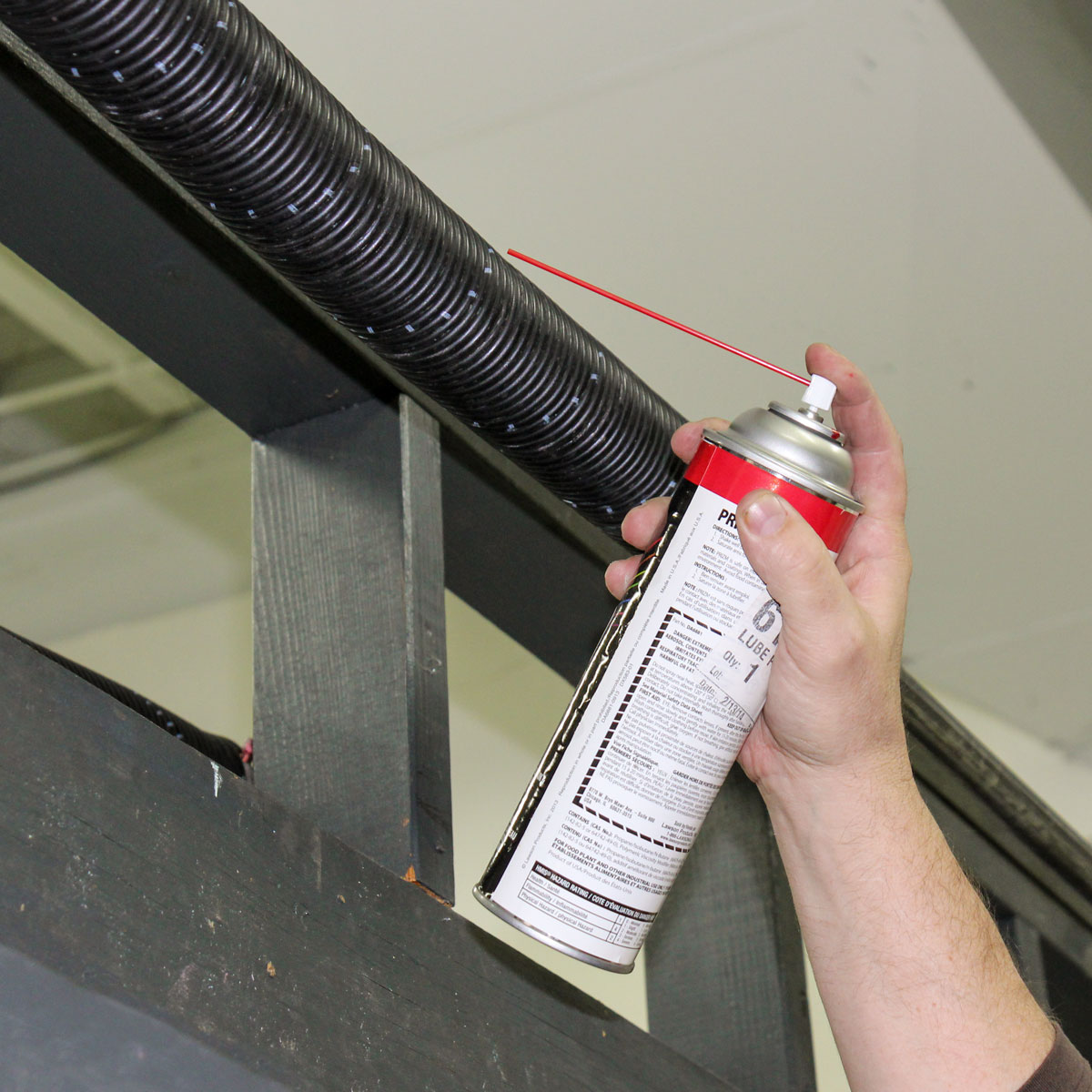
- Lubrication: Use a silicone or lithium spray on rollers, hinges, and bearings. Avoid oil on nylon rollers — it attracts grit.
- Balance test: Disconnect the opener and lift the door halfway. A balanced door should stay put. If it drifts, the springs may need adjustment.
- Weatherseal check: Inspect bottom seal and side gaskets for cracks. Replace seals that let in water or pests.
- Reverse safety test: Place a 2×4 on the floor and close the door. The opener should reverse when it contacts the board. If not, stop using the opener until fixed.
- Clean tracks: Brush debris from tracks and wipe with a damp cloth. Don’t grease the tracks; that can cause the door to slip.
Tools and materials for safe DIY maintenance
Keep a basic kit: ladder, gloves, safety glasses, adjustable wrench, socket set, silicone spray, rag, and a non-marking lubricant. Never attempt spring adjustments without proper training and spring-specific tools — springs store lethal energy.
When to call a professional
Some repairs are straightforward, but others require specialized knowledge, tools, and safety procedures. Call a professional when issues could risk personal safety, structural damage, or void warranties.
- Broken or loose springs: Torsion and extension springs are under high tension. Repair or replacement should be handled by a licensed technician.
- Frayed cables or bent tracks: These components can fail suddenly. Technicians can replace cables and realign tracks to factory tolerances.
- Opener electrical faults: If the opener smells like burning, hums without moving, or will not respond to remotes after resetting, call for a diagnostic.
- Strange noises or shakes: Grinding, popping, or severe rattling often point to worn bearings, misaligned drums, or damaged panels that professionals can assess.
- Complex conversions: Converting an older door to a new opener type, adding smart controls, or replacing sectional panels are good reasons to hire pros.
Local factors in Clyde Hill that affect the decision
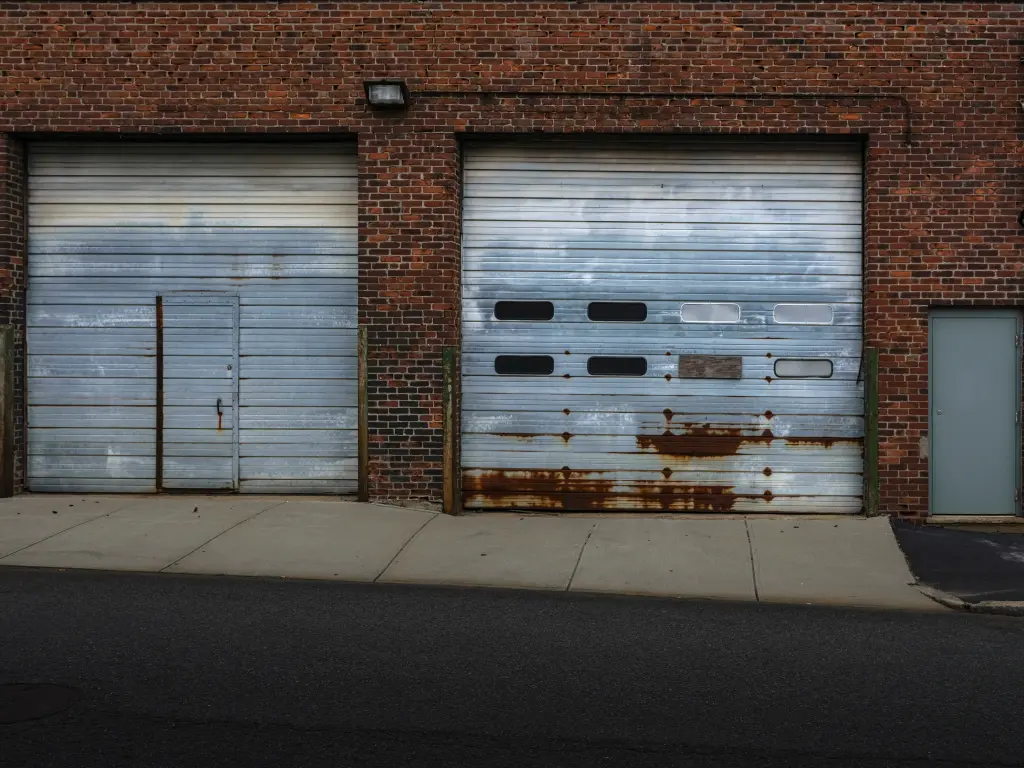
Our near-water location and mature landscaping mean salt spray and moisture can accelerate corrosion on metal parts. If your home is near the lake or exposed to winter storm debris, lean toward professional inspections yearly. A trained technician can spot early corrosion and recommend protective coatings or stronger hardware appropriate for local exposures.
Cost considerations: DIY vs professional service
Budget matters. Routine DIY maintenance (lubrication, seal replacement, visual checks) can cost under $50 in parts. But professional services bring time, guarantees, and safety. Typical local pricing ranges (ballpark):
- Basic tune-up and safety inspection: $100–$200
- Spring replacement (both springs on a standard residential door): $200–$400
- Cable replacement or track realignment: $150–$350
- Opener replacement: $300–$800 depending on features
Prices vary by garage door size, door material, and required parts. For an accurate local quote, request an on-site estimate.
How to combine DIY checks with professional help
Many homeowners follow a hybrid approach: perform quarterly DIY maintenance and schedule an annual professional inspection. This combination keeps costs down while catching issues early. A pro can calibrate springs, test safety systems, and provide documentation that may help with home insurance or resale.
Planning a maintenance schedule
Try this cadence:
- Quarterly: visual checks, lubrication, weatherseal inspection.
- Annually: professional inspection and tune-up.
- After storms: immediate check for dents, track bends, and loose hardware.
For more seasonal tips and local updates, see our blog with articles tailored to Clyde Hill weather and proximity challenges.
Choosing the right local professional
When you need help, pick a company that understands Clyde Hill homes and WA conditions. Look for:
- Clear, written estimates and parts lists.
- Warranties on labor and parts.
- Licensed technicians and proof of insurance.
- Local references and quick emergency response.
If you’re ready to schedule an inspection or need a repair, you can contact our Clyde Hill team or review services and pricing on our services page.
Safety reminders
Never stand under a moving door. Disconnect the opener before working on the door. If a component is under tension (springs, cables), or if you suspect frame damage, stop and call a professional. Attempting dangerous repairs can result in injury and higher costs.
Final checklist before you decide
- Is the problem cosmetic or structural?
- Does the repair involve high-tension parts?
- Are you within warranty or do you risk voiding it?
- Could a failed repair damage vehicles or property?
When in doubt, schedule an inspection. A local technician can advise whether the work is a straightforward DIY task or requires professional tools and training.
Frequently asked questions — Clyde Hill, WA
Q: How often should I schedule professional garage door maintenance in Clyde Hill?
A: For most Clyde Hill homes we recommend a professional inspection once a year, with quarterly DIY checks. Annual service catches corrosion and spring wear accelerated by local moisture.
Q: Does garage door maintenance cover salt- or moisture-related corrosion?
A: Yes. Pros can apply protective coatings, replace corroded fasteners with stainless options, and recommend parts rated for damp, coastal conditions common in WA neighborhoods near Lake Washington.
Q: What is a typical timeline for a professional visit and repairs?
A: A standard inspection and tune-up usually takes 45–90 minutes. Spring or cable replacement often requires an additional hour. If parts must be ordered, expect 1–3 business days for completion.
Q: How much will a professional tune-up cost locally?
A: Basic tune-ups are typically $100–$200. Major repairs (springs, cables) range $150–$400. Exact prices depend on door size, materials, and part quality; ask for a written estimate.
Q: Do I need a permit for garage door replacement in Clyde Hill?
A: Most residential garage door replacements do not need a permit, but structural changes to framing or openings may. A local contractor or our service team can advise if a building permit is required.
Helpful local resources in Clyde Hill, WA
- Garage Door Repair Seattle
- Garage Door Repair Bellevue
- Garage Door Repair Redmond
- Garage Door Repair Kirkland
- Garage Door Repair Mercer Island
- Garage Door Repair Edmonds
- Garage Door Repair Issaquah
- Garage Door Repair Tacoma
- Garage Door Repair Everett
- Garage Door Repair Bothell
- Garage Door Repair Sammamish
- Garage Door Repair Renton
- Garage Door Repair Lynnwood
- Garage Door Repair Woodinville
- Garage Door Repair University Place
- Garage Door Repair Gig Harbor
- Garage Door Repair Lakewood
- Garage Door Repair Puyallup
- Garage Door Repair Mukilteo
- Garage Door Repair Vancouver
- Garage Door Repair Kenmore
- Garage Door Repair Burien
- Garage Door Repair Auburn
- Garage Door Repair South Hill
- Garage Door Repair Yarrow Point
- Garage Door Repair Clyde Hill
- Garage Door Repair Port Townsend
- Garage Door Repair Duvall
- Garage Door Repair Snoqualmie