Living in Clyde Hill, WA means quiet neighborhoods, careful home upkeep, and high expectations for every residential service. If your garage door rattles, bangs, squeaks, or vibrates every time it opens, the issue is more than an annoyance. It can point to worn parts, loose hardware, poor balance, or track problems that call for garage door repair.
This guide breaks down practical noise reduction solutions that work for many garage doors in Clyde Hill homes. Whether the sound starts at sunrise or after a rainy stretch, a few targeted fixes can make a big difference in comfort and curb appeal.
Why Garage Doors Get Loud
A noisy garage door usually has one or more mechanical causes. In many cases, the problem builds slowly, so homeowners get used to it until the sound becomes hard to ignore.
- Loose nuts, bolts, or hinge fasteners
- Dry rollers or hinges with little lubrication
- Worn rollers, bearings, or torsion springs
- Misaligned tracks that force the door to scrape
- Panels that flex or vibrate during movement
- An opener that strains because the door is not balanced
In Clyde Hill, damp weather can also affect metal parts and seals. Moisture and temperature swings may make garage doors sound louder than they do in drier climates. If the noise has changed recently, it is a good time to inspect the system before the problem spreads.
Noise Reduction Solutions That Help Fast
Some sound issues can be reduced with simple maintenance. Others need full garage door repair to keep the door safe and smooth. The right fix depends on the source of the noise, not just the volume.
1. Tighten and inspect hardware
Vibration often loosens bolts and brackets over time. A technician can check all visible fasteners, hinges, and track mounts during garage door repair and tighten anything that has worked free. This is one of the simplest ways to lower rattling.
2. Replace worn rollers
Old metal rollers can be especially loud. Upgrading to nylon rollers is a common home improvement choice because they usually run more quietly and reduce vibration. If the rollers are cracked, flat-spotted, or rough, replacement is often more effective than lubrication alone.
3. Lubricate the right moving parts
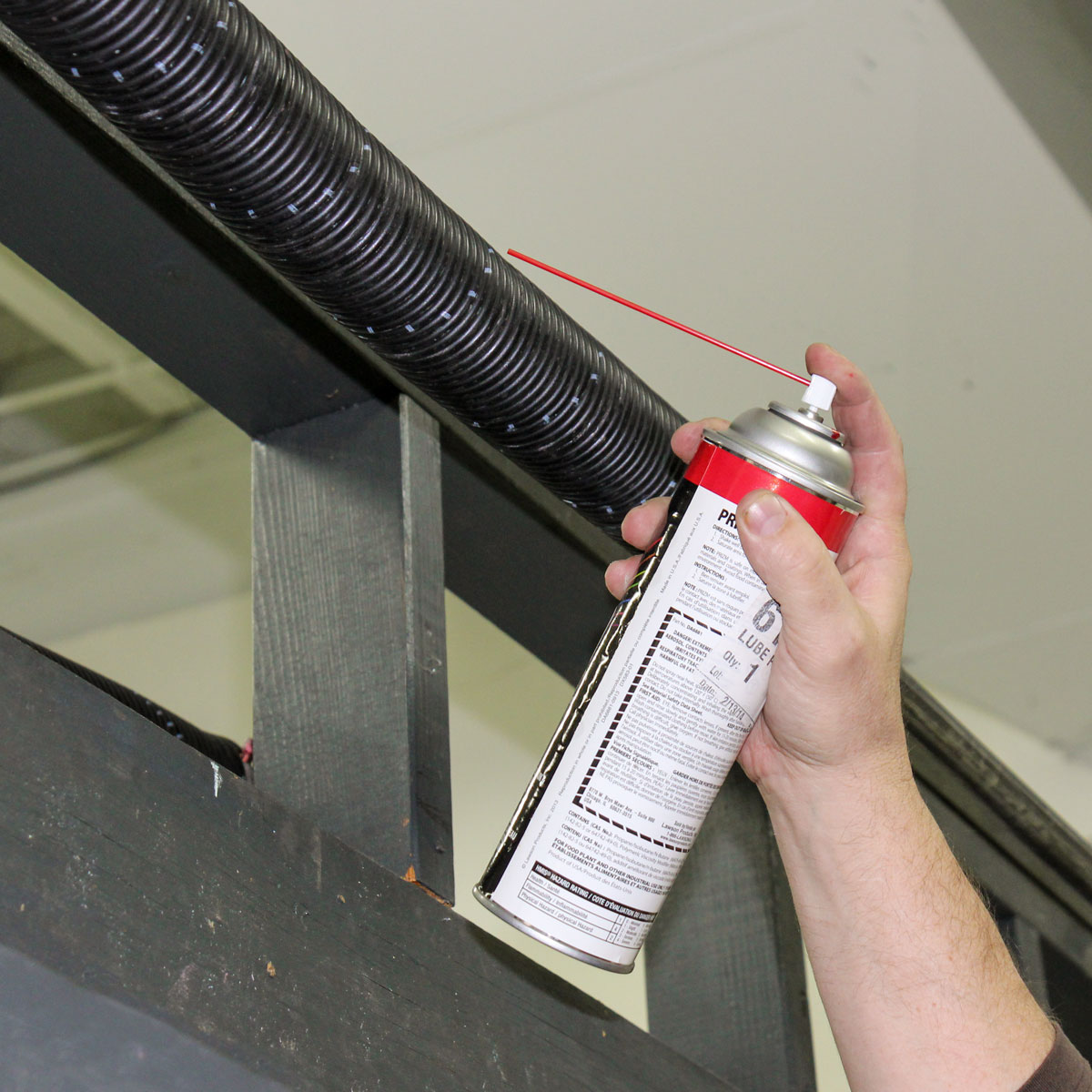
A quality lubricant on hinges, rollers, and springs can cut down squeaks and grinding. Do not use heavy grease on everything. The wrong product can collect dust and make garage doors dirtier over time. If you want tips on seasonal upkeep, check the practical advice in our garage door repair blog.
4. Check door balance and spring condition
An unbalanced door puts extra strain on the opener and creates jerky movement. That strain often sounds like clunking or thumping. Spring issues are not a DIY job for most homeowners, but they are a routine part of garage door repair and one of the most important noise reduction solutions.
5. Improve vibration control
Some homes need extra isolation between the opener, the ceiling, and the door system. Anti-vibration mounts, secure track brackets, and proper opener alignment can reduce shaking that travels into the house. This is useful in attached garages where sound carries into living spaces.
When Noise Means You Need Professional Garage Door Repair
Not every loud door is an emergency, but certain signs mean it is time to schedule service. If you hear banging, scraping, popping, or a sudden change in movement, the issue may be more than normal wear.
- The door jerks or hesitates during travel
- One side sits higher than the other
- The opener strains or reverses unexpectedly
- You see bent tracks, frayed cables, or broken hardware
- The noise gets worse after rain or colder mornings
For homeowners who want a direct repair path, our garage door services page outlines the kinds of residential service options that may fit common noise complaints, from roller replacement to track correction.
In some cases, garage door repair also improves energy use and daily convenience. A smoother door puts less wear on the opener, which can extend the life of the whole system. That matters in Clyde Hill homes where people rely on garages as main entry points.
What Clyde Hill Homeowners Can Expect
Every home is different, but most noise-related garage door repair visits start with a careful inspection. A technician will look at the rollers, hinges, tracks, springs, opener, and mounting points to find the source of the sound.
Common next steps may include:
- Hardware tightening and track alignment
- Roller replacement
- Lubrication of moving parts
- Spring or cable repair
- Opener adjustment or replacement recommendations
If you are comparing options or trying to decide what is urgent, a quick call can save time. Use our contact page to ask about a noisy garage door, describe the sound, and request the right type of garage door repair for your home.
Pricing depends on what is causing the noise. A simple adjustment may cost less than replacing rollers or springs. More complex garage door repair can involve several parts at once, especially if the door has not been serviced in years. A clear inspection is the best way to understand the repair range before work begins.
How to Reduce Garage Door Noise Long Term
Once the immediate problem is fixed, routine care helps keep garage doors quieter.
- Schedule periodic inspections for moving parts
- Listen for new sounds after heavy rain or winter cold
- Keep tracks clear of debris
- Avoid forcing the door if it sticks
- Replace worn parts before they damage other components
Long-term noise control is often a mix of maintenance and timely garage door repair. That approach protects your residential service investment and keeps daily routines calmer. For many Clyde Hill homeowners, a quieter garage door is one of the easiest ways to improve how the home feels day to day.
FAQ
Why is my garage door louder in rainy Clyde Hill weather?
Moisture can affect rollers, hinges, and springs, especially if parts are already worn. Rain may also make tracks and seals swell or shift slightly, which increases noise. A garage door repair inspection can show whether lubrication, alignment, or part replacement is needed.
How quickly can a noisy garage door be fixed in Clyde Hill, WA?
Simple issues like loose hardware or lubrication may be resolved during the same visit. More involved garage door repair, such as rollers or springs, may take longer depending on parts and system condition. The repair time depends on what is causing the noise.
What is a typical price range for noise-related garage door repair?
Costs vary by part and labor. Minor adjustments are usually less expensive than spring or roller replacement. If several parts are worn, the total can rise. An inspection is the best way to get a realistic estimate for garage door repair in Clyde Hill.
Can a noisy garage door damage my opener?
Yes. If the door is unbalanced or binding, the opener may work harder than it should. That extra strain can shorten opener life and create more noise. Fast garage door repair can help prevent bigger residential service problems later.
Do I need a permit for garage door repair in Clyde Hill?
Most basic repairs do not require a permit, but major changes can be different. If the work involves structural changes or a full door replacement, check local rules first. A service provider can help you understand whether your garage door repair is likely to need approval.
FAQ
Why is my garage door louder in rainy Clyde Hill weather?
Moisture can affect rollers, hinges, and springs, especially if parts are already worn. Rain may also make tracks and seals swell or shift slightly, which increases noise. A garage door repair inspection can show whether lubrication, alignment, or part replacement is needed.
How quickly can a noisy garage door be fixed in Clyde Hill, WA?
Simple issues like loose hardware or lubrication may be resolved during the same visit. More involved garage door repair, such as rollers or springs, may take longer depending on parts and system condition. The repair time depends on what is causing the noise.
What is a typical price range for noise-related garage door repair?
Costs vary by part and labor. Minor adjustments are usually less expensive than spring or roller replacement. If several parts are worn, the total can rise. An inspection is the best way to get a realistic estimate for garage door repair in Clyde Hill.
Can a noisy garage door damage my opener?
Yes. If the door is unbalanced or binding, the opener may work harder than it should. That extra strain can shorten opener life and create more noise. Fast garage door repair can help prevent bigger residential service problems later.
Do I need a permit for garage door repair in Clyde Hill?
Most basic repairs do not require a permit, but major changes can be different. If the work involves structural changes or a full door replacement, check local rules first. A service provider can help you understand whether your garage door repair is likely to need approval.
Helpful local resources in Clyde Hill, WA
- Garage Door Repair Seattle
- Garage Door Repair Bellevue
- Garage Door Repair Redmond
- Garage Door Repair Kirkland
- Garage Door Repair Mercer Island
- Garage Door Repair Edmonds
- Garage Door Repair Issaquah
- Garage Door Repair Tacoma
- Garage Door Repair Everett
- Garage Door Repair Bothell
- Garage Door Repair Sammamish
- Garage Door Repair Renton
- Garage Door Repair Lynnwood
- Garage Door Repair Woodinville
- Garage Door Repair University Place
- Garage Door Repair Gig Harbor
- Garage Door Repair Lakewood
- Garage Door Repair Puyallup
- Garage Door Repair Mukilteo
- Garage Door Repair Vancouver
- Garage Door Repair Kenmore
- Garage Door Repair Burien
- Garage Door Repair Auburn
- Garage Door Repair South Hill
- Garage Door Repair Yarrow Point
- Garage Door Repair Clyde Hill
- Garage Door Repair Port Townsend
- Garage Door Repair Duvall
- Garage Door Repair Snoqualmie