Intro: What Clyde Hill homeowners should know
Living in Clyde Hill, WA means dealing with damp winters and wind that can accelerate wear on garage systems. If you’re planning a garage door replacement, or you suspect a part is failing, a short diagnostic routine can save time and money. This guide focuses on safe, local troubleshooting for garage door replacement projects so you can identify common problems, communicate clearly with technicians, and avoid unnecessary costs.
Common issues encountered during garage door replacement
When a homeowner schedules a garage door replacement, the job rarely involves just swapping a panel. You’ll commonly see issues with tracks, rollers, weatherstripping, springs, and openers. The most frequent complications are:
- Broken or misaligned tracks that prevent smooth travel during the replacement process.
- Worn rollers and hinges that cause noise after a new door is installed.
- Incorrect spring size or balance adjustments that affect safety and longevity.
- Opener compatibility problems when upgrading to a new door style or weight.
- Poor sealing and insulation around the frame, especially important for Clyde Hill’s wet climate.
Expect your installer to discuss these items during a pre-replacement inspection and to outline any extra parts or labor that might be required.
Troubleshooting steps and safety checklist
Quick diagnostic actions you can take
Before a contractor arrives for a full garage door replacement, run these quick checks:
- Visual inspection: Look for bent tracks, frayed cables, or damaged weatherstripping.
- Manual test: With the opener unplugged, lift the door halfway. A balanced door stays put; a door that slides up or down likely needs spring or cable adjustment.
- Listen for noise: Squeaks or grinding often point to rollers or hinges that need replacement during the door swap.
- Check sensors: Misaligned safety sensors can prevent the opener from working and are commonly fixed during replacement.
These basic steps help you confirm whether a full garage door replacement is necessary or if a targeted repair will suffice.
Safety reminders
- Do not attempt to adjust or remove torsion springs yourself—these are under high tension and pose serious risk.
- If cables look frayed or a spring is visibly separated, stop using the door and schedule a professional evaluation.
- Keep children and pets away during any testing or maintenance.
Technical issues installers watch for during replacement
Professional teams preparing a garage door replacement will verify opener horsepower, spring type, and track clearances. They often find hidden problems such as rotten jambs, rusted track mounts, or previous improper installations. Correcting these makes the new door function properly and last longer.
If you want DIY guidance before the crew arrives, our service descriptions cover typical pre-install checks — see our services for common prep items and what installers expect.
Common troubleshooting scenarios and fixes
Door won’t close or reverses
Often caused by misaligned safety sensors, debris in the track, or opener force settings. Clean the sensor lenses, clear the track, and test again. If the door still reverses, the opener’s force or travel limits may need professional tuning as part of the garage door replacement process.
New door binding or scraping
If a newly installed door scrapes along the jamb or rubs on the weather seal, installers will shim tracks and fine-tune hinge locations. This is a normal adjustment item during most garage door replacement jobs, especially with heavier insulated doors.
Loud operation after replacement
Noisy operation after a replacement usually points to roller type or improper lubrication. Ask about nylon rollers and sealed bearings when planning a replacement—upgrades that reduce noise and improve durability.
When to call a professional (and what to expect)
Call a pro if you detect broken springs, frayed cables, misaligned tracks, or if the door is dangerously unbalanced. For Clyde Hill homeowners, seasonal inspections before winter and after storms reduce emergency replacements.
Before scheduling a replacement, gather these details for the technician: door measurements, panel type (steel, wood, composite), age of the existing opener, and any known damage. This speeds quotes and helps avoid onsite surprises.
Ready to schedule an estimate or need urgent help? Contact our team directly for a local response and transparent pricing: https://garagedoors-clydehill.com/contact.
Cost, timing, and permits — local guidance
Typical garage door replacement costs in the Puget Sound area vary by material and hardware. For Clyde Hill, expect a basic single steel panel replacement to start lower, while insulated or custom wood doors increase material costs. Labor for a full replacement often takes 3–6 hours, depending on prep work like jamb repair or opener upgrades.
Permits are uncommon for a like-for-like garage door replacement but check with the city if you alter openings or electrical work is significant. When in doubt, your installer should confirm permit needs during the estimate.
Maintenance to extend replacement intervals
Routine maintenance reduces the frequency of full garage door replacement. Simple tasks include:
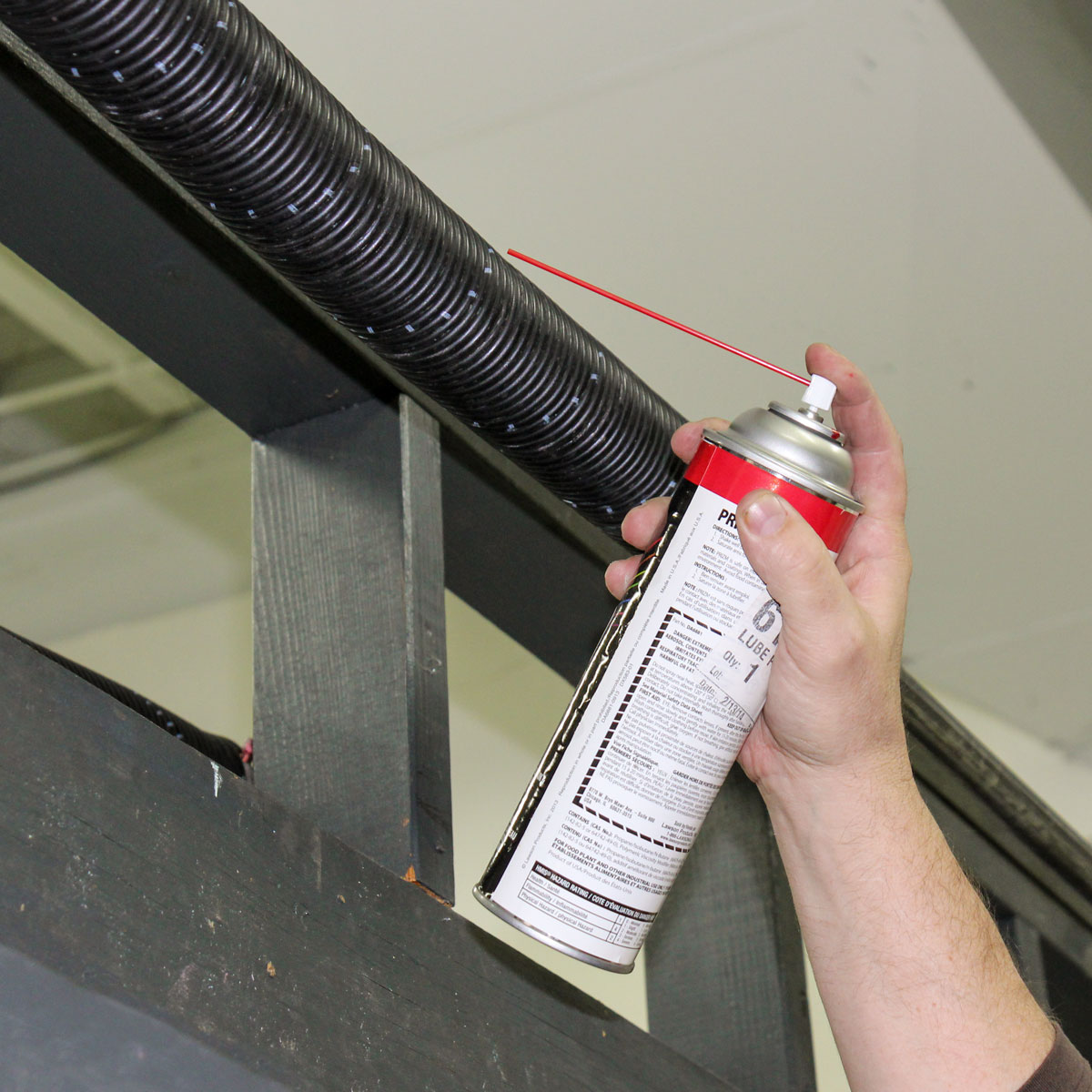
- Lubricating rollers, hinges, and springs twice a year.
- Checking and replacing weatherstripping to prevent water ingress and wood rot.
- Testing balance and opener safety features quarterly.
For step-by-step maintenance tips and seasonal checklists, read more on our local tips page in the blog.
Choosing the right replacement for Clyde Hill homes
When planning a garage door replacement, weigh insulation, wind rating, and material longevity in the wet Pacific Northwest climate. A properly specified replacement improves energy efficiency and resale value as part of a broader home improvement plan.
Final checklist before you sign
- Confirm spring type and warranty coverage on parts and labor.
- Get a written timeline and a clear line-item estimate for replacement tasks.
- Ask about disposal of the old door and any site cleanup included.
Invisible LocalBusiness data
Frequently Asked Questions
Q: How does Clyde Hill weather affect garage door replacement timing?
A: Heavy rain or high winds can delay exterior work and paint drying. Aim to schedule replacement on a dry forecast window; installers can often protect the opening to limit exposure.
Q: What price range should Clyde Hill homeowners expect for a full garage door replacement?
A: For basic single-car steel doors, expect lower-range pricing; insulated or carriage-style doors cost more. Local labor and any jamb or opener updates add to the estimate—get an on-site quote for accuracy.
Q: Do I need a permit in Clyde Hill for a garage door replacement?
A: Like-for-like replacements usually don’t need permits. Structural changes, electrical upgrades, or enlarging the opening can require permits—confirm during the estimate.
Q: What warranties apply to a garage door replacement in WA?
A: Warranties vary: manufacturers often cover panels and springs for set periods; installers may offer labor warranties. Ask for written warranty details before work begins.
Q: How long after ordering a replacement will installation occur?
A: Lead times depend on door selection and part availability. Stock doors can be installed in days; custom orders take longer. Ask your installer for expected delivery and install windows.
Helpful local resources in Clyde Hill, WA
- Garage Door Repair Seattle
- Garage Door Repair Bellevue
- Garage Door Repair Redmond
- Garage Door Repair Kirkland
- Garage Door Repair Mercer Island
- Garage Door Repair Edmonds
- Garage Door Repair Issaquah
- Garage Door Repair Tacoma
- Garage Door Repair Everett
- Garage Door Repair Bothell
- Garage Door Repair Sammamish
- Garage Door Repair Renton
- Garage Door Repair Lynnwood
- Garage Door Repair Woodinville
- Garage Door Repair University Place
- Garage Door Repair Gig Harbor
- Garage Door Repair Lakewood
- Garage Door Repair Puyallup
- Garage Door Repair Mukilteo
- Garage Door Repair Vancouver
- Garage Door Repair Kenmore
- Garage Door Repair Burien
- Garage Door Repair Auburn
- Garage Door Repair South Hill
- Garage Door Repair Yarrow Point
- Garage Door Repair Clyde Hill
- Garage Door Repair Port Townsend
- Garage Door Repair Duvall
- Garage Door Repair Snoqualmie