Quick start for Clyde Hill homeowners
If you live in Clyde Hill, WA and you’re facing early snags after a recent garage door installation, this guide walks you through practical fixes without the jargon. We focus on safe, local tips tailored for Pacific Northwest homes and common installation mistakes to spot quickly.
What to check first
Before calling for service, do a quick visual and operational check. Many problems after a garage door installation are simple to identify and resolve.
- Visual alignment: Inspect tracks, rollers and mounting points for obvious bends or gaps.
- Hardware tightness: Check brackets, bolts and screws — they can loosen during the initial settling period.
- Sensor alignment: If the door reverses unexpectedly, confirm the photo-eyes are clean and aligned.
- Remote vs wall control: Test both to isolate a transmitter issue from a mechanical problem.
Common quick fixes
Try these fast checks after a garage door installation:
- Re-center the opener limit switches if the door stops short or over-travels.
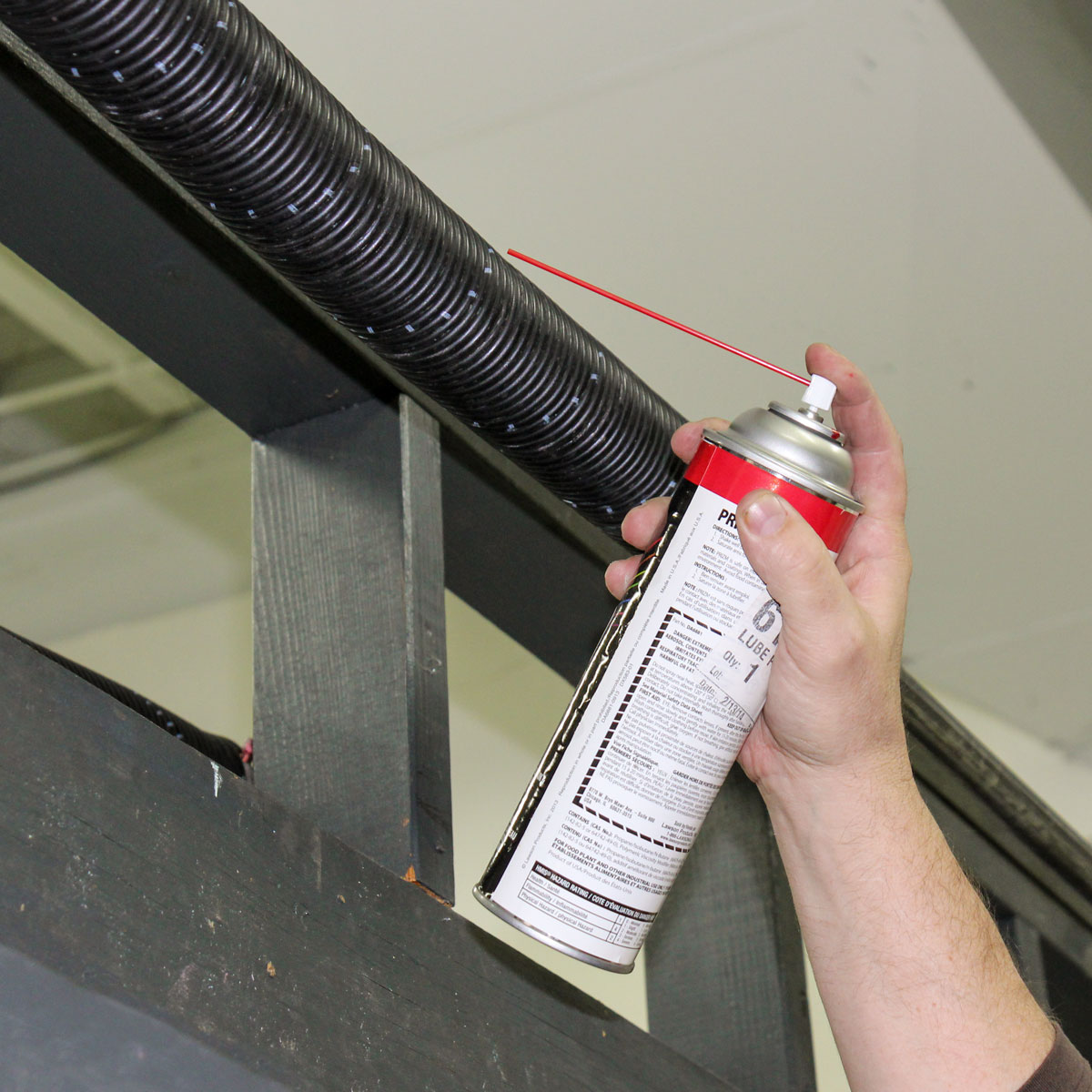
- Lubricate rollers, hinges and springs with a silicone or lithium spray to reduce noise and binding.
- Replace batteries in remotes and keypads before diagnosing complicated faults.
Mechanical issues and their causes
Some issues need more care. If the door is crooked, binds, or feels heavier than before, it may be a balance problem or a misinstalled component from the original garage door installation.
Spring and balance problems
Torsion and extension springs are calibrated during installation. If the door won’t stay open or is difficult to lift by hand, the springs may be under-tensioned or the wrong type was used. Never adjust springs without the right tools — they store dangerous energy. Contact a pro if you suspect spring issues.
Track and roller alignment
Tracks that are out of plane make the door rub or jerk. After a garage door installation, loosen the track fasteners slightly and tap them back into correct alignment if you’re comfortable doing minor adjustments. Tighten fasteners gradually and test travel after small corrections.
Opener and electrical troubleshooting
Modern openers add convenience, but wiring and setting errors can cause intermittent faults. Confirm power, test the wall button, and observe travel limits.
Travel limits and force settings
Openers have two key adjustments: travel limits (where the door stops) and force settings (how much resistance triggers reversal). If your door reverses before it reaches the floor or won’t close fully, fine-tune these per the opener manual. If unfamiliar, record the current settings and call a technician to avoid misadjustment.
Smart openers and network issues
If your opener connects to Wi‑Fi, check the router, network name, and password. A poor signal near the opener can cause missed commands. Try a wired test or a temporary extender before assuming the opener is defective.
Weather-related things Clyde Hill homeowners should expect
Our local climate affects moving parts. Salt air, seasonal moisture, and temperature swings can change how a freshly installed door performs.
- Swelling and contraction: Wood or composite doors may swell in humid months and shrink in dry periods — this affects fit after a garage door installation.
- Corrosion risk: Salt and moisture accelerate rust on hardware; choose stainless or galvanized components when possible.
- Seal longevity: Weatherstripping compresses over time; replace to maintain insulation and smooth operation.
When to DIY and when to call a pro
Small adjustments and inspections are fine for most homeowners. However, leave these tasks to trained technicians:
- Spring replacement or major spring adjustments.
- Opener motor replacement or heavy electrical work.
- Frame repairs, severe track damage, or structural issues after a garage door installation.
If you prefer expert help, our local team lists common repair stories on our blog, and our services page outlines what a pro inspection covers.
Timeline expectations and price ranges for Clyde Hill
A standard residential garage door installation typically takes 3–6 hours for a single door and 5–9 hours for a double door, depending on removals and hardware upgrades. Local pricing in Clyde Hill will vary with materials and opener options — expect a wide range from budget aluminum units to premium insulated steel doors. Always get written estimates and compare included warranties.
Post-install checklists for homeowners
After your garage door installation, use this short checklist to confirm everything is correct:
- Test open/close cycles multiple times and at different speeds.
- Verify safety reversal on both photo-eyes and edge sensors.
- Listen for unusual scraping or grinding noises during travel.
- Check all accessible fasteners and hardware after the first week.
- Store manual release keys in a known safe spot.
Local permits, warranties and service planning
Some Clyde Hill projects may require building permits for structural changes; simple door replacements usually do not. Always ask your installer about permit responsibilities before work begins. Keep warranty paperwork and inquire whether labor and parts are covered for a set period after any garage door installation.
Finding reliable local help
Choose a company with local references and transparent pricing. For immediate questions or to schedule an inspection after a recent garage door installation, reach out via our contact page — a local technician can often diagnose issues over the phone and advise next steps.
Frequently Asked Questions — Clyde Hill
Q: Will a new garage door hold up to Clyde Hill weather?
A: Yes, if you choose insulated steel or composite panels and stainless or galvanized hardware. Ask your installer about corrosion-resistant fasteners and upgraded seals to handle our damp, coastal-adjacent climate.
Q: How long after installation should I expect a follow-up?
A: Reputable local installers schedule a 7–14 day follow-up to retighten fasteners and recheck spring balance as the door settles. If you weren’t offered one, request a post-install inspection.
Q: What price range should Clyde Hill homeowners expect?
A: Basic garage door installation for a single-car aluminum unit can start low, while insulated steel with an opener runs higher. Local factors, removal of an old door, and custom finishes change pricing—get written estimates for accurate comparisons.
Q: Do I need a permit in Clyde Hill for door replacement?
A: Most like-for-like replacements don’t need permits, but structural header changes or electrical upgrades may. Confirm with the city or your installer before work begins.
Q: What warranties should I look for locally?
A: Look for separate warranties on springs, panels, and openers plus a labor warranty. Ask for warranty details in writing and understand who provides service locally in Clyde Hill.
Helpful local resources in Clyde Hill, WA
- Garage Door Repair Seattle
- Garage Door Repair Bellevue
- Garage Door Repair Redmond
- Garage Door Repair Kirkland
- Garage Door Repair Mercer Island
- Garage Door Repair Edmonds
- Garage Door Repair Issaquah
- Garage Door Repair Tacoma
- Garage Door Repair Everett
- Garage Door Repair Bothell
- Garage Door Repair Sammamish
- Garage Door Repair Renton
- Garage Door Repair Lynnwood
- Garage Door Repair Woodinville
- Garage Door Repair University Place
- Garage Door Repair Gig Harbor
- Garage Door Repair Lakewood
- Garage Door Repair Puyallup
- Garage Door Repair Mukilteo
- Garage Door Repair Vancouver
- Garage Door Repair Kenmore
- Garage Door Repair Burien
- Garage Door Repair Auburn
- Garage Door Repair South Hill
- Garage Door Repair Yarrow Point
- Garage Door Repair Clyde Hill
- Garage Door Repair Port Townsend
- Garage Door Repair Duvall
- Garage Door Repair Snoqualmie