Introduction
If you live in Clyde Hill, WA, thinking about energy efficiency when you need garage door repair can reduce drafts and lower your utility bills. A properly insulated and sealed garage door prevents temperature swings that can affect attached living spaces, stored items, and HVAC loads. This guide walks homeowners through practical upgrades and what to ask a technician during service.
Why energy efficiency matters for garage doors
An efficient garage door limits heat loss in winter and heat gain in summer, which matters in the Pacific Northwest’s damp, variable climate. Proper insulation and quality weatherstripping reduce the air exchange between garage and home, improve comfort near connecting walls and doors, and protect stored goods from moisture. When you schedule garage door repair, consider options that raise R-value, replace worn seals, and modernize the opener for lower standby power.
Top upgrades to request during garage door repair
Ask your technician about upgrades that produce measurable benefits. Many of these can be completed the same day as repairs:
- Insulation panels (R-value upgrade): Add polystyrene or polyurethane panels to increase thermal resistance.
- New bottom and perimeter seals: Replace brittle or crushed seals to block drafts and pests.
- Thresholds and sweeps: Install a threshold to stop cold air at the sill line and improve door closure.
- Insulated or fewer windows: Replace single-pane glass with insulated glazing or reduce window area to cut heat transfer.
- High-efficiency openers: Upgrade to quiet, energy-saving models with lower standby draw and soft-start operation.
During any garage door repair, technicians can handle panel, seal, and opener upgrades in a single visit, saving on labor and repeated callouts.
Insulation options
Common retrofit materials are polystyrene (cost-effective) and polyurethane (higher R-value per inch). Factory-insulated doors typically outperform aftermarket kits because they seal better and use continuous insulation. A retrofit kit is often installed during a routine garage door repair to avoid replacing the whole door immediately.
Weatherstripping and thresholds
Seals degrade with age and exposure. Replacing the bottom seal and refreshing perimeter weatherstripping are low-cost fixes that reduce drafts and moisture. These fixes are high-impact for attached garages connected to living spaces, and technicians usually check them during any standard repair visit.
How upgrades affect comfort and utility bills
Upgrades installed during a garage door repair reduce air exchange and humidity transfer between the garage and the home. For attached garages in Clyde Hill homes, homeowners often notice less cold air near entry doors and improved thermostat stability after sealing and insulating the garage door.
Estimated savings depend on garage configuration and climate exposure. In many cases, sealing and insulating cut energy loss enough to justify the upgrade within a few years when compared to energy costs and lost comfort.
Choosing materials and knowing when to replace
Replacement can be the right call if a door is warped, rusted, or repeatedly failing. Consider factory-insulated steel doors or composite models that resist moisture-related warping. Your service professional can compare repair vs replacement costs and estimate energy savings before any garage door repair work begins.
What to expect: timeline, costs, and permits
Most energy-efficiency upgrades during a garage door repair are completed in a few hours. Simple seal and insulation retrofits are same-day work; replacing panels or installing a new insulated door may take a day or two depending on parts. In Clyde Hill, WA, minor retrofits typically don’t require permits, but full replacements that alter openings or structure might — check with the city building department if you expect structural changes.
Typical price ranges: $150–$600 for weatherstripping and insulation kits; $800–$3,000 for a new insulated door and installation. Ask for a detailed estimate with materials, labor, and an estimated payback for energy savings.
Warranties and ongoing maintenance
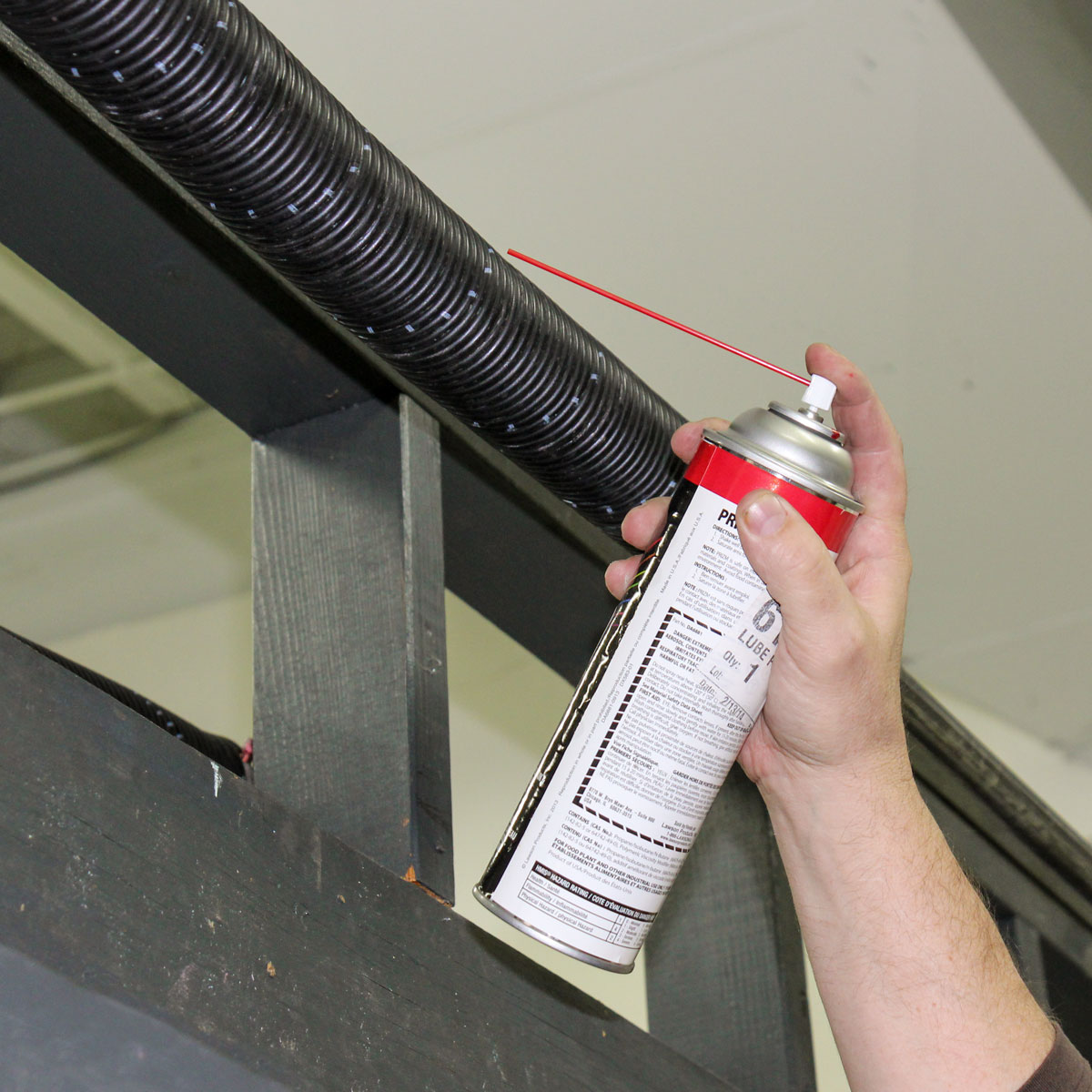
A good warranty on door panels and openers protects your investment. After a garage door repair or upgrade, schedule a follow-up inspection in six months to verify seals and opener settings. Regular maintenance—lubrication, balance checks, and seal inspections—extends component life and keeps efficiency high.
Finding a reputable local contractor
Choose a company with experience in energy-focused upgrades. Request product spec sheets (R-values, seal materials) and before/after photos of local work. A clear service plan for garage door repair should list materials, labor, and expected efficiency gains. You can review local work examples on our blog and read about what we offer on our services page.
When you’re ready for an estimate, contact us to schedule a site visit. A technician who measures gaps, inspects panel integrity, and evaluates the opener will provide a precise scope and cost.
Beware of low bids that skip insulating the back of panels or use low-quality seals; those shortcuts reduce the real efficiency benefit of any garage door repair.
DIY checks before you call for service
- Hold a lit (unlit for safety: use a thin strip of tissue) or feel for drafts along the bottom and sides to locate leaks.
- Check for light seepage around the perimeter on a sunny day.
- Note how long the opener runs and whether lights stay on—these can indicate inefficiencies or electrical issues.
- Photograph worn seals and gap spots to show the technician.
Document what you find and bring photos to your technician—it helps them give targeted garage door repair recommendations and an accurate quote.
Cost vs. value: what adds the most efficiency
Biggest returns usually come from full-panel insulation, quality seals, and replacing single-pane windows. Upgrading to a modern opener with energy-saving modes is cost-effective if the unit is older than 10–15 years. Ask your garage door repair specialist for an estimated payback period based on your local energy rates and garage configuration.
Final checklist before scheduling work
- Confirm the technician will install the specified R-value and seal profiles.
- Get a written estimate with labor, parts, warranty details, and expected timeline.
- Ask about disposal of the old door and recycling for insulation materials.
- Request before/after photos and a follow-up inspection window.
Closing thoughts
Energy-focused upgrades during garage door repair are one of the highest-impact home improvement steps for attached garages in Clyde Hill, WA. Prioritize insulation, perimeter sealing, and a modern opener to improve comfort and reduce energy loss. Quality materials and a trained crew make the garage door repair last longer and perform better. Ask the technician to review energy upgrades in writing before work starts to get the most from any garage door repair.
Frequently Asked Questions
Q: Will insulating my garage door help with humidity in Clyde Hill homes?
A: Yes. Insulation combined with improved seals reduces air and moisture transfer from the exterior into the garage. For attached garages, that lowers humidity migration into adjacent rooms. Ask your technician about closed-cell insulation and tight perimeter seals for best results.
Q: How long does an energy-efficiency upgrade take during a repair visit?
A: Simple upgrades like replacing seals and adding insulation panels are often completed in 2–4 hours. Full door replacements or custom insulated sections can take one to two days depending on parts availability. Your written estimate will include the expected timeline.
Q: What price range should I expect in Clyde Hill for common upgrades?
A: Weatherstripping and insulation kits commonly run $150–$600 installed. A high-quality insulated door with installation typically ranges $800–$3,000. Exact pricing depends on door size, materials, and opener choices.
Q: Are repairs or full replacements covered by warranty?
A: Many manufacturers and installers offer warranties on new panels and openers; repair work may include a limited labor warranty. Always get warranty details in writing and confirm which components are covered.
Q: Do I need a permit in Clyde Hill for garage door replacement?
A: Minor retrofits (seals, insulation, opener swaps) usually don’t need a permit in Clyde Hill, WA. Structural changes or enlarging openings likely do. Check with the city’s building department or ask your contractor to confirm permit requirements before work starts.
Helpful local resources in Clyde Hill, WA
- Garage Door Repair Seattle
- Garage Door Repair Bellevue
- Garage Door Repair Redmond
- Garage Door Repair Kirkland
- Garage Door Repair Mercer Island
- Garage Door Repair Edmonds
- Garage Door Repair Issaquah
- Garage Door Repair Tacoma
- Garage Door Repair Everett
- Garage Door Repair Bothell
- Garage Door Repair Sammamish
- Garage Door Repair Renton
- Garage Door Repair Lynnwood
- Garage Door Repair Woodinville
- Garage Door Repair University Place
- Garage Door Repair Gig Harbor
- Garage Door Repair Lakewood
- Garage Door Repair Puyallup
- Garage Door Repair Mukilteo
- Garage Door Repair Vancouver
- Garage Door Repair Kenmore
- Garage Door Repair Burien
- Garage Door Repair Auburn
- Garage Door Repair South Hill
- Garage Door Repair Yarrow Point
- Garage Door Repair Clyde Hill
- Garage Door Repair Port Townsend
- Garage Door Repair Duvall
- Garage Door Repair Snoqualmie